
Mondoñedo · Lugo · Galicia
Conference Venue Spain: planning a small, focused gathering in a historic house
A good conference venue in Spain should make the programme easier to follow, not merely provide a beautiful room. For a small international gathering, begin with the number of delegates, the speaking format, the transitions between plenary and breakout sessions, access needs, technical fallback and the time people need to arrive, pause and leave comfortably.
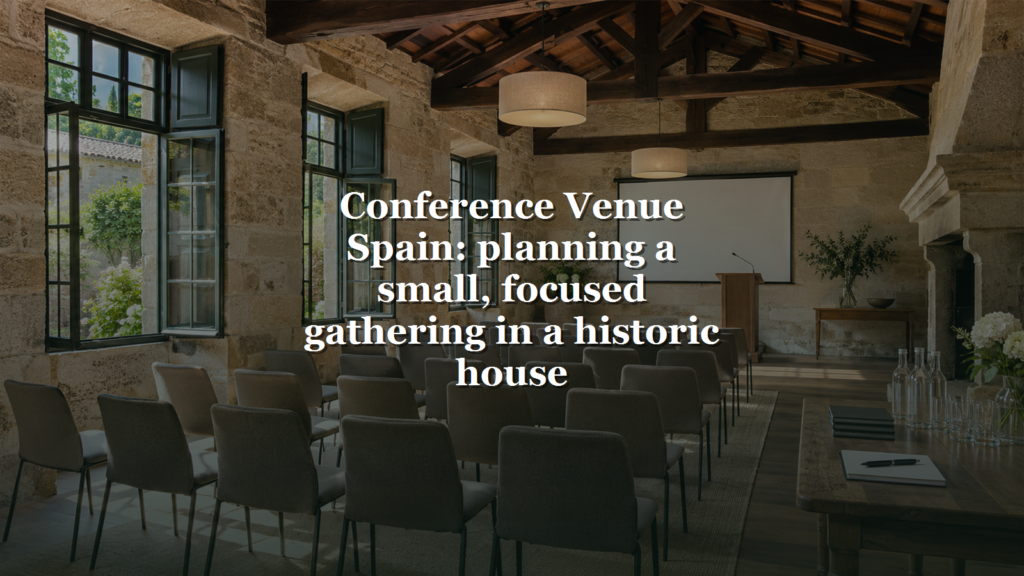
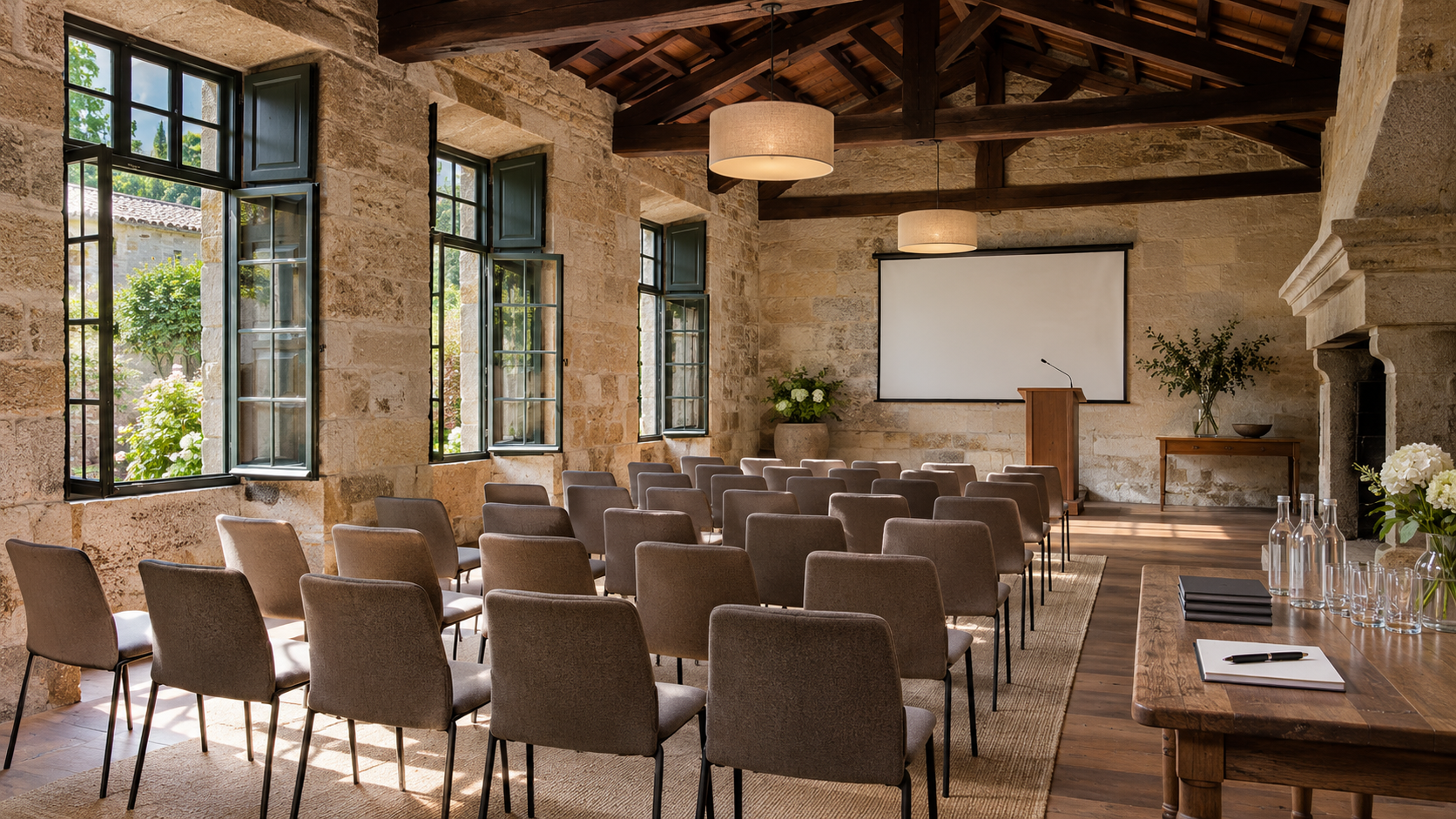
Santa Emilia is a historic house in Mondoñedo, in the province of Lugo, Galicia. Its Salón de los Pilares, adjoining rooms and garden allow an organiser to discuss a compact conference as a sequence of experiences rather than a single block of seating. Every capacity, access, equipment and supplier requirement should be confirmed in a written event brief before booking.
Start with the conference outcome
“Small conference” can describe very different days: a specialist forum, a leadership discussion, a research seminar or a client gathering. The venue search becomes useful only when the organiser defines what participants should understand, decide or contribute by the end.
Purpose
Write one sentence that describes the result of the day. It will guide the agenda, room format and speaker brief.
Audience
Separate confirmed delegates, speakers, staff and remote participants. Each group places different demands on the room.
Format
Decide whether the programme is mainly listening, discussion, workshops or a sequence that combines all three.
Evidence
Define what must leave the room: decisions, notes, introductions, recordings or a clear next action.
Turn the agenda into a room sequence
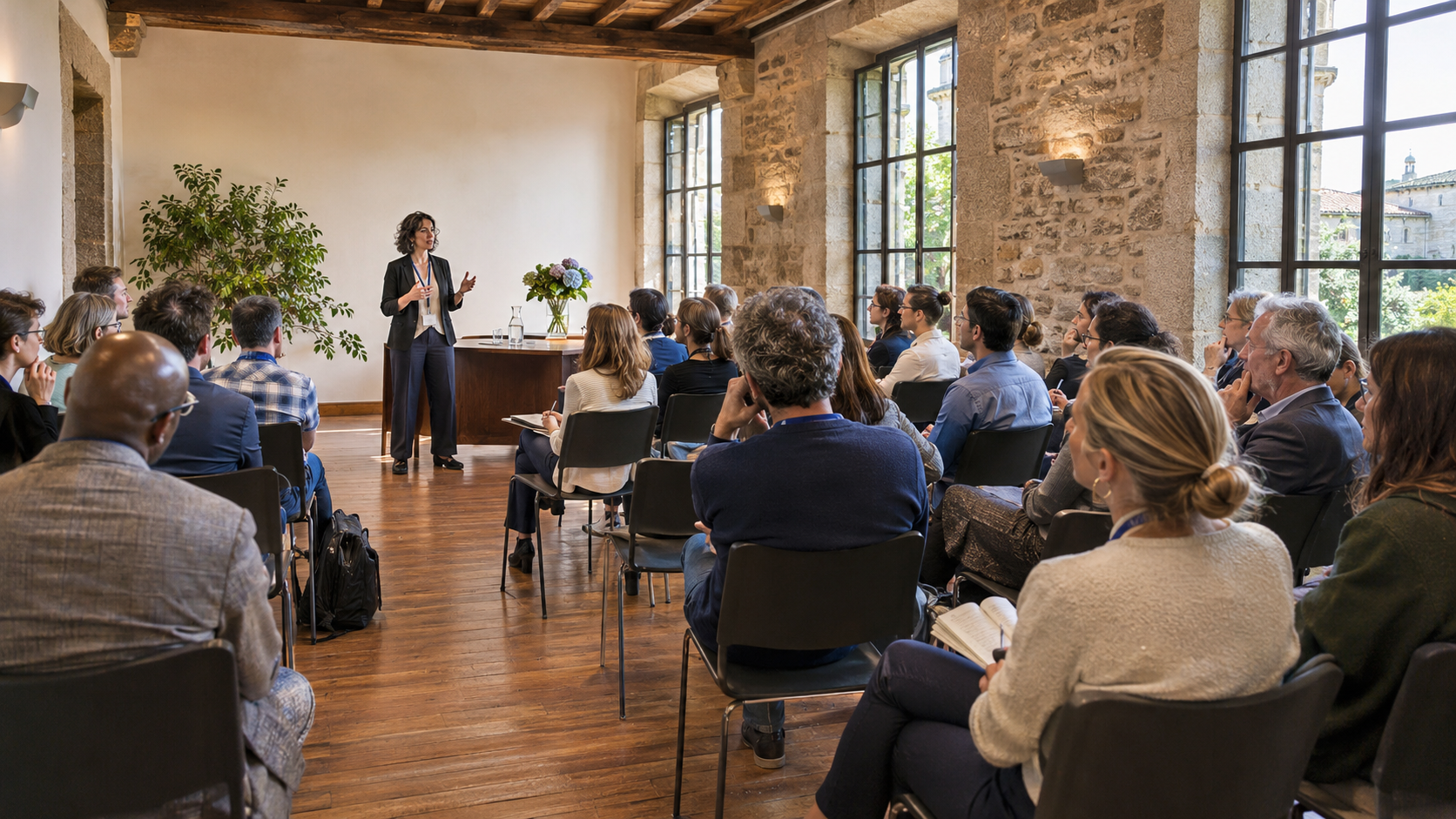
A compact conference rarely needs a large convention complex. It does need transitions that feel deliberate. A plenary session, a short pause, a breakout conversation and a final synthesis each ask something different of the space.
Arrival
Give delegates one clear entry point, a visible welcome and time to settle before the first speaker.
Plenary
Protect sightlines, audibility and a simple route for speakers, staff and anyone who needs to move.
Breakout
Use separate conversation zones only when groups can hear one another and reconvene without delay.
Pause
Place water, coffee and quiet space away from the speaker area so the room can reset.
Close
Return to one shared setting for conclusions, responsibilities and the next confirmed date.
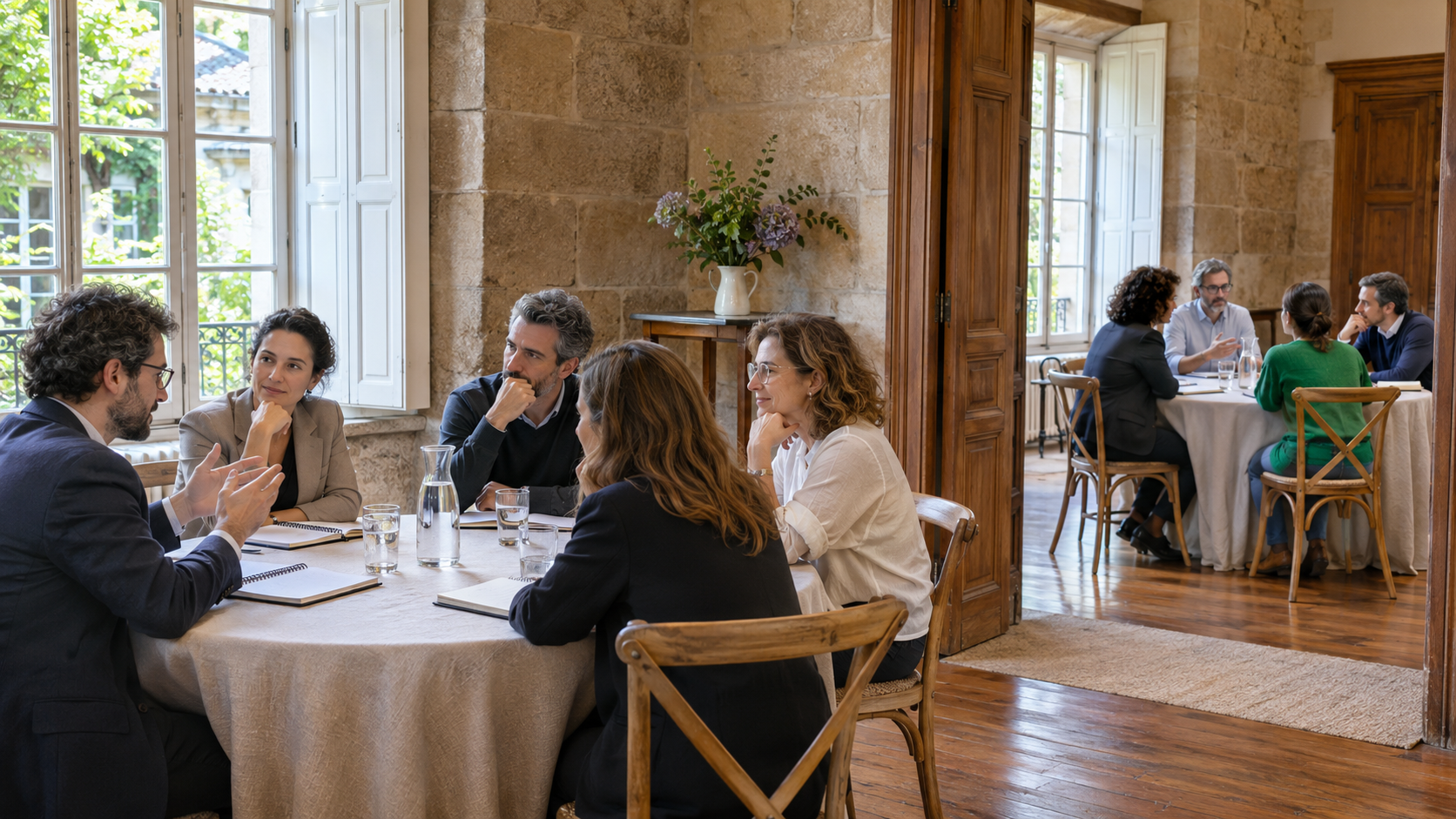
The right scale lets every participant remain part of the same conversation.
Questions to settle during the venue visit
| Decision | What to inspect | What to record |
|---|---|---|
| Room layout | Chair spacing, aisles, stage or floor-level speaking position, daylight and screen visibility. | A scaled layout or agreed seating plan. |
| Sound and display | Microphones, loudspeakers, presentation connection, power, cable routes and an offline fallback. | Named equipment, operator responsibility and test time. |
| Accessibility | Arrival, entrances, circulation, seating choices, toilets, quiet space and communication support. | Confirmed provisions and a contact for individual requirements. |
| Breaks | Water points, catering position, dietary information, waste, queues and weather alternatives. | Service times and the person who authorises changes. |
| Travel | Delegate arrival windows, supplier access, parking or transfer information and the final departure wave. | One concise arrival note sent before travel. |
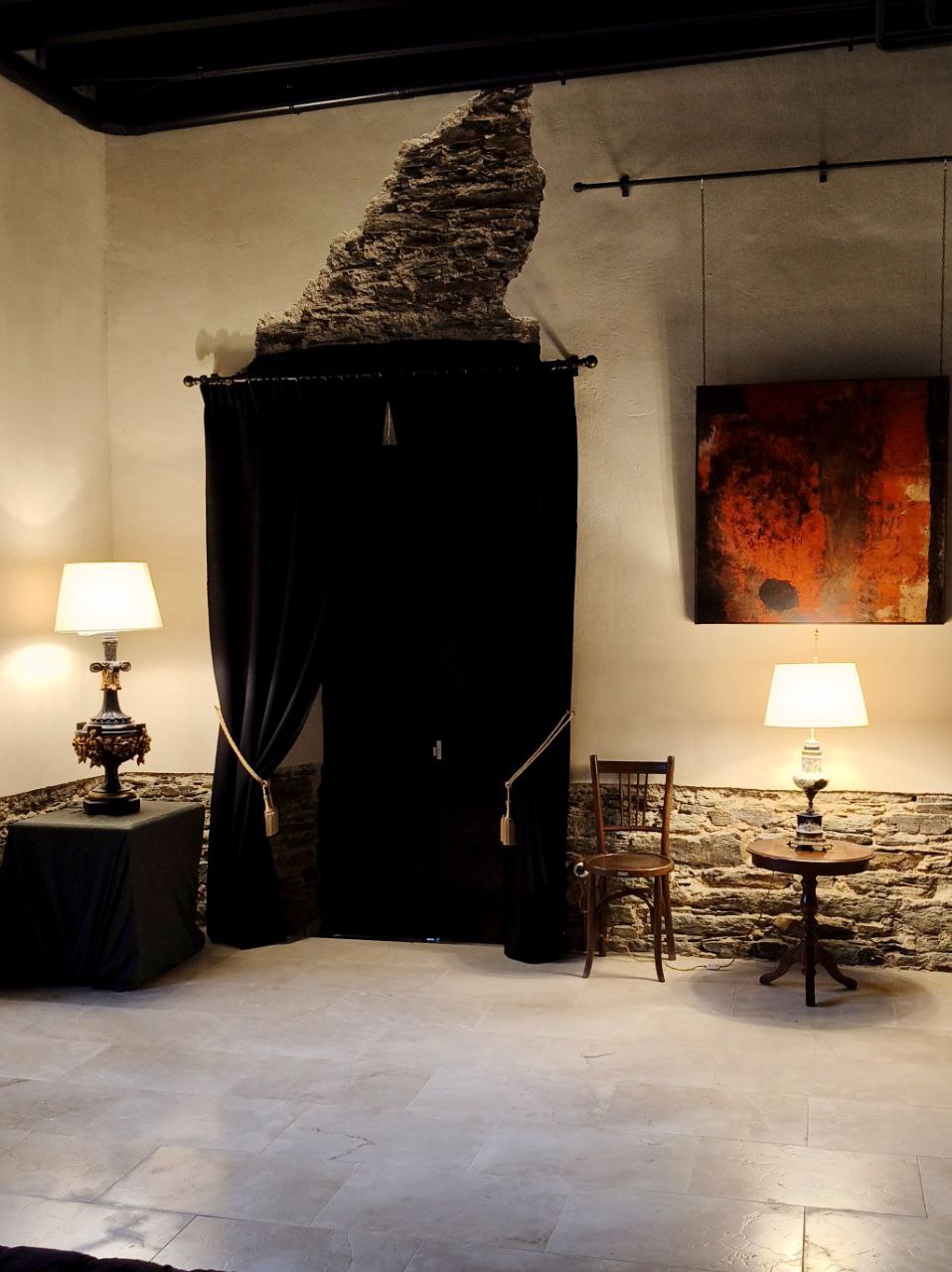
Accessibility should be planned from the first brief, not added after registration opens. Current European guidance treats organisation, layout, programming and communication as connected parts of event quality. Ask delegates privately about requirements, describe the confirmed facilities accurately and avoid promising an arrangement until the venue has approved it.
A practical organiser brief
Send the venue one working document rather than a chain of partial messages. The brief can remain short, but it should be specific enough for the venue to identify conflicts early.
- Purpose, audience and target delegate count
- Programme with speaker and break timings
- Preferred plenary and breakout layouts
- Access and communication requirements
- Presentation, microphone and connectivity needs
- Offline copies and technical fallback
- Catering times, allergies and dietary collection
- Supplier arrival and room-reset responsibilities
- Photography, recording and privacy choices
- Named decision-maker on the day
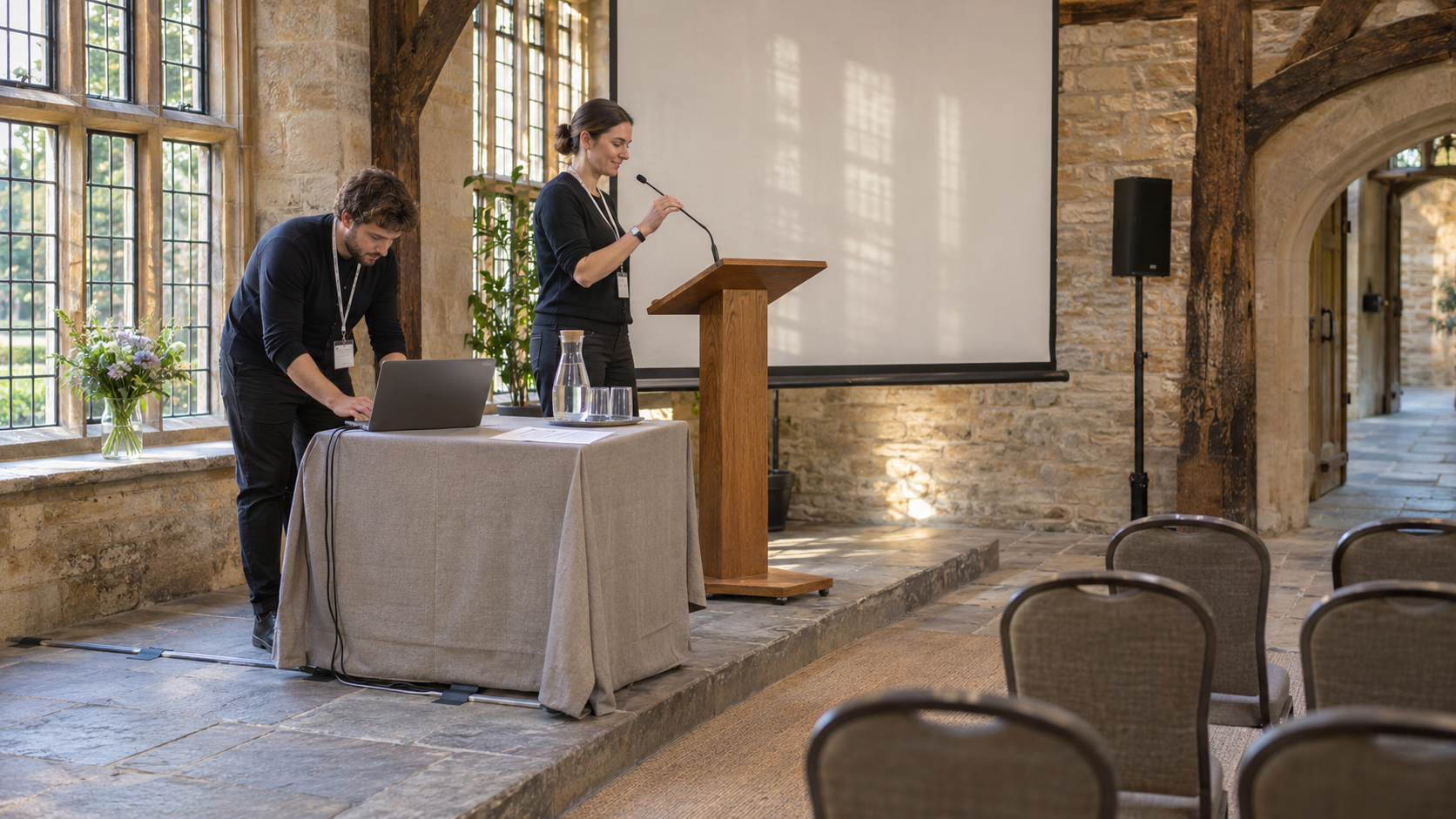
For regional venue selection and availability, explore Santa Emilia as a salón for corporate events in Lugo. The venue is in Mondoñedo, not Lugo city; the geographic wording should remain exact in every invitation and travel note.
Questions organisers often ask
How early should a small conference venue be booked?
There is no universal lead time. Ask about the preferred date only after the delegate range, programme shape and essential technical or access requirements are clear enough to price and confirm.
Is a historic house suitable for a professional conference?
It can be, when the programme matches the scale and every operational requirement is checked. Historic character does not replace a written agreement on layout, access, equipment, catering and responsibilities.
What should be tested before the event?
Test every microphone, presentation connection, video or remote-participation route, lighting state and backup file with the actual equipment and the person responsible for operating it.
How can a small conference feel international without becoming complicated?
Use one clear working language, concise arrival information, realistic travel windows, named contacts and presentation files that can be shared in advance when appropriate.
Discuss your conference brief with Santa Emilia
Share the date, delegate range, programme and essential room requirements. Santa Emilia can then confirm whether the house is a suitable fit and prepare the next practical conversation.
Sources consulted
- Santa Emilia — Salón de Eventos en Lugo, checked 22 November 2026.
- Santa Emilia — event rooms and garden, checked 22 November 2026.
- AccessibleEU — Guidelines for Accessible Events, checked 22 November 2026.
- GOV.UK — inclusive communication and accessible events, checked 22 November 2026.
- Turismo de Galicia — Mondoñedo, un paseo de historia e vida, checked 22 November 2026.