
Three unhurried days · Northern Galicia
Galicia Itinerary: a three-day heritage route around Mondoñedo
A rewarding three-day Galicia itinerary can use Mondoñedo as its calm centre: spend day one walking its cathedral quarter and Os Muíños, shape day two around the tides on the Mariña coast, and reserve day three for Lugo’s Roman walls. Returning to the same base each evening keeps the route legible and leaves room for weather, opening times and spontaneous stops.
This is a framework, not a race. Check official access information before setting out, especially for As Catedrais, and confirm museum and monument hours for your exact travel dates.
Why Mondoñedo makes a thoughtful base
Some Galicia itineraries accumulate distance. This one accumulates context. Mondoñedo links a small historic city, the green valleys of inland A Mariña, the Cantabrian coast and Lugo’s Roman heritage without asking you to change accommodation every night.
Walkable first day
The cathedral quarter, traditional streets and Os Muíños invite a slow start after arrival.
Two distinct excursions
Coast and Roman city feel genuinely different, so each day has its own visual rhythm.
Useful flexibility
Sea conditions can decide the coastal day; the urban days are easier to rearrange.
A return ritual
Coming back to one place lets dinner and rest become part of the route rather than logistics between stops.

At a glance: the three-day route
| Day | Core experience | Planning anchor |
|---|---|---|
| 1 · Mondoñedo | Cathedral quarter, historic streets, Os Muíños and the city’s literary atmosphere | Confirm interiors and museum hours; keep the afternoon mostly on foot |
| 2 · A Mariña coast | As Catedrais and a coastal stop chosen for the day’s conditions | Build the day around official access rules, the tide and safe conditions |
| 3 · Lugo | Walk the Roman wall and read the city from above before exploring within it | Allow time for the complete circuit and an unhurried meal |
Sequence tip: do not assign the coastal day rigidly before you have checked the tide and forecast. Swap days two and three if conditions make Lugo the better choice.
Day one: learn Mondoñedo at walking pace
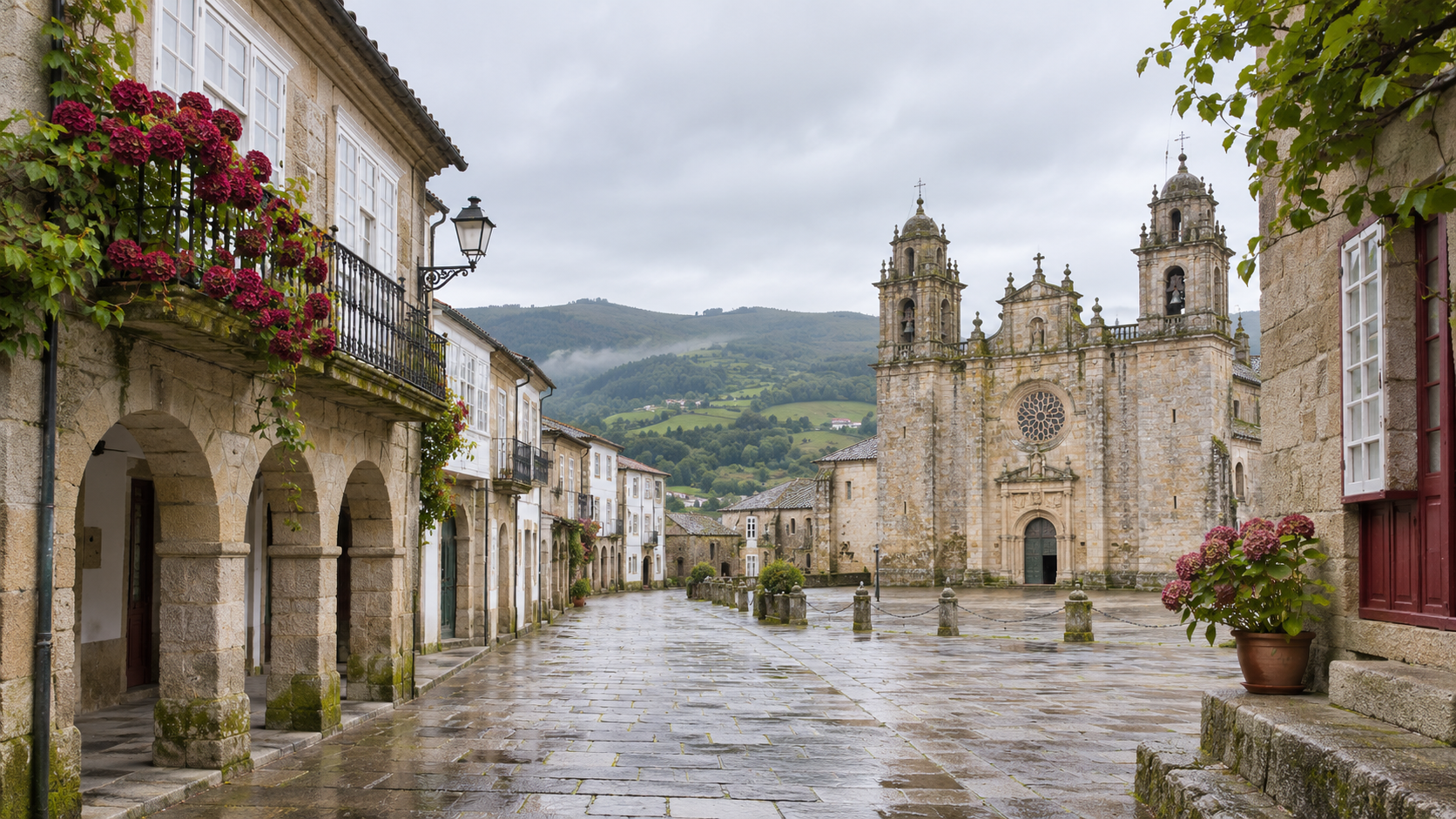
Begin in the historic centre, where the cathedral gives the city an immediate point of orientation. The aim is not to tick off every interior. Walk the square, notice how civic and religious buildings share the same compact setting, and follow the streets outward until the monumental centre gives way to everyday Mondoñedo.
The provincial tourism service identifies the cathedral and Os Muíños among the city’s defining places and notes Mondoñedo’s position on the Northern Way to Santiago. That combination matters: this is both a destination and a place shaped by travellers passing through.
Orient
Start in the cathedral square and read the street pattern before opening a map.
Enter selectively
Choose one interior if it is open; quality of attention is more useful than a long checklist.
Walk to Os Muíños
Let the route reveal the city’s relationship with water, craft and the surrounding landscape.
Return differently
Take another street back and pause for the facades, shops and changing views of the hills.
The first day should make the next two easier: use it to settle into the scale, weather and tempo of northern Galicia.
The Museo Diocesano y Catedralicio publishes seasonal opening information online, but hours can change. Check the official listing shortly before visiting rather than building the day around an old timetable.
Day two: let the tide design the coast
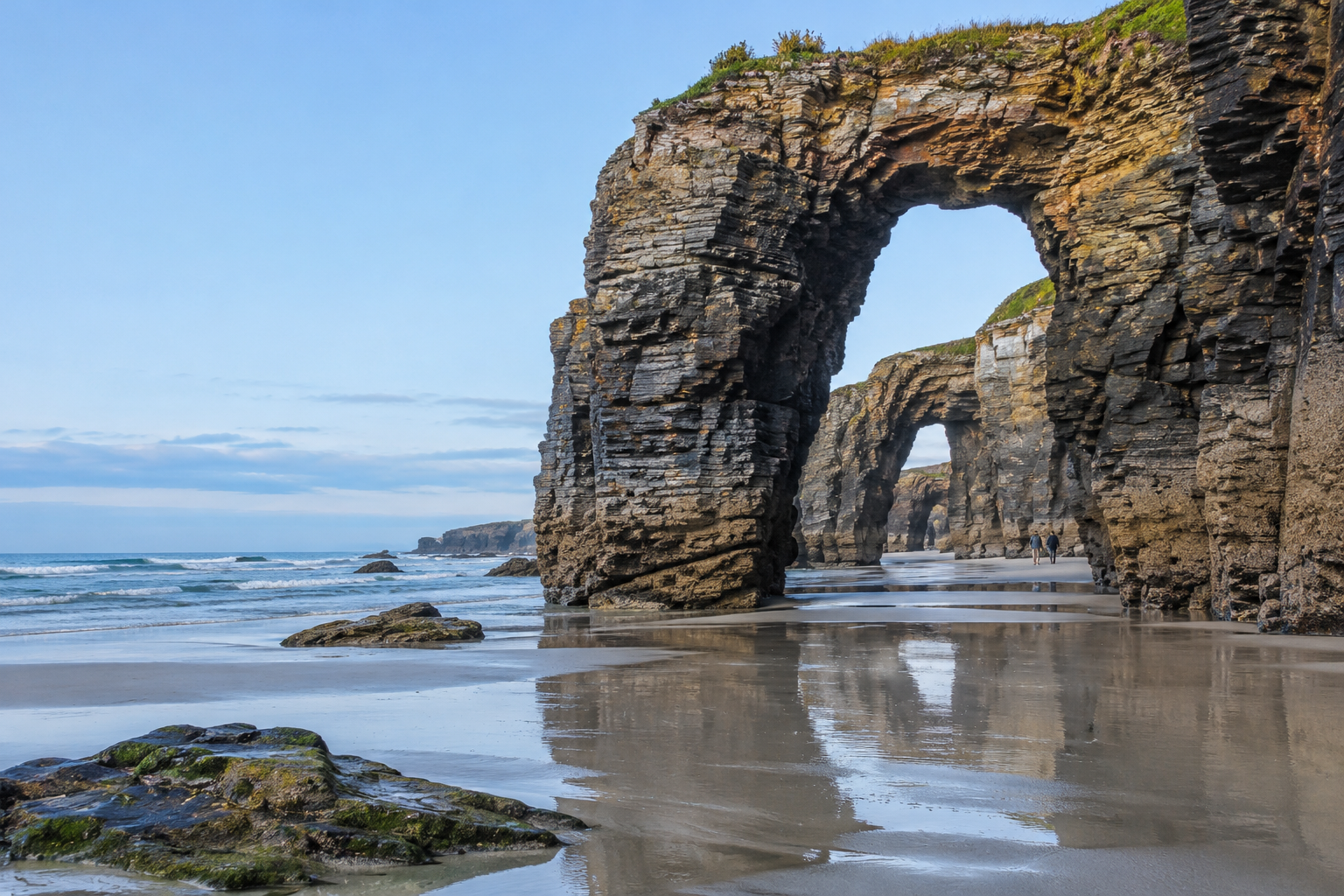
As Catedrais is often treated as a fixed sightseeing slot. It is better understood as a landscape whose character and access depend on natural conditions. The Xunta’s official guidance says the best time to see the formations from the sand is around two hours before to two hours after low tide. It also explains that advance authorisation is required in specified high-demand periods, while upper paths remain an alternative way to experience the site.
- Check the official access page for your date
- Consult the tide table, not a generic morning or afternoon label
- Allow time to park, walk and orient yourself safely
- Wear footwear suited to wet rock and uneven sand
- Use the upper paths if beach access is unsuitable
- Follow closures and on-site instructions without improvising
Once the tide anchor is clear, add only one flexible coastal stop rather than a chain of them. A harbour, headland or town in A Mariña can provide lunch and a second texture for the day. Choose it according to weather and official local information on the morning itself.
Day three: walk Lugo’s Roman wall
Lugo changes the scale of the route. Its Roman wall forms a complete circuit around the historic centre and is open to pedestrians. UNESCO records a perimeter of approximately 2,117 metres and describes the fortifications as an exceptional surviving example from the later Roman Empire.
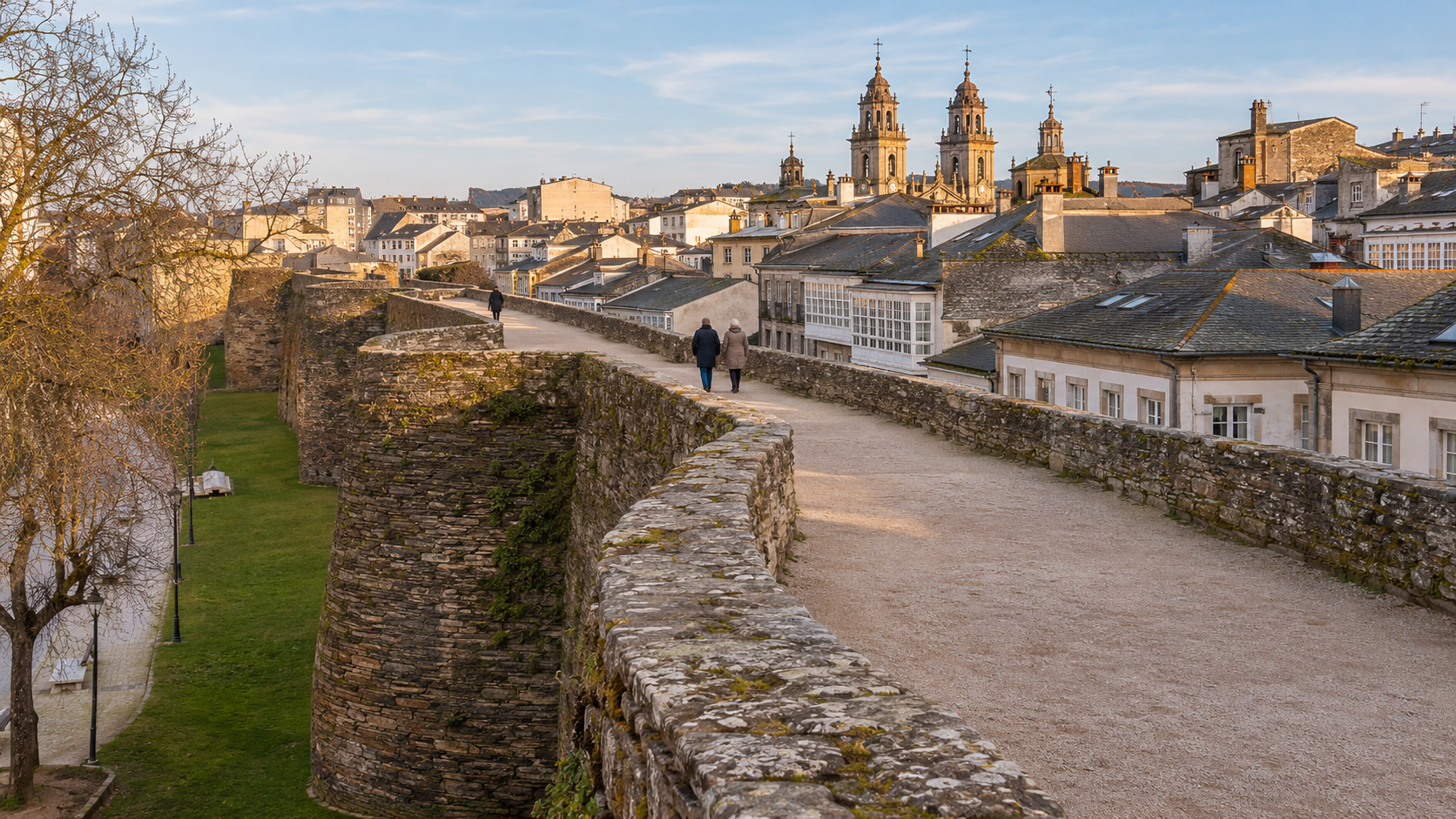
Walk the circuit before trying to interpret every monument below. From the wall, the relationship between old city and modern streets becomes visible. After descending, choose a few places within the enclosure and leave time for lunch. The point of the day is the contrast between an intact defensive ring and a living city, not an exhaustive inventory.
First circuit
Walk continuously enough to understand the wall as a single work, pausing where views clarify the city.
Second reading
Descend into the old streets and revisit details you first noticed from above.
Weather alternative
If persistent rain makes the circuit uncomfortable, combine a shorter walk with museums or interiors whose hours you have checked.
How to keep the itinerary calm and credible
A route is most useful when it still works after real life intervenes. Northern weather, seasonal schedules and access controls are not inconveniences to hide; they are inputs to a better plan.
| Decision | Better approach | Avoid |
|---|---|---|
| Driving time | Check live navigation before departure and add a generous buffer | Promising an exact duration regardless of traffic or road works |
| Opening hours | Use official sources for the exact date, especially out of season | Relying on an undated search snippet |
| Coastal access | Follow tide, reservation and safety guidance | Descending because the beach looked accessible in an old photo |
| Meals | Keep one or two options and confirm service hours | Making a remote lunch reservation too close to a tide window |
| Daily load | Protect one core experience and one optional addition | Turning every detour into an obligation |
Make the return to Mondoñedo part of the journey
Staying in one base changes the emotional shape of a short trip. You can leave maps and extra luggage behind, notice how the light changes over the same garden, and have a familiar place to return to after the coast or Lugo.
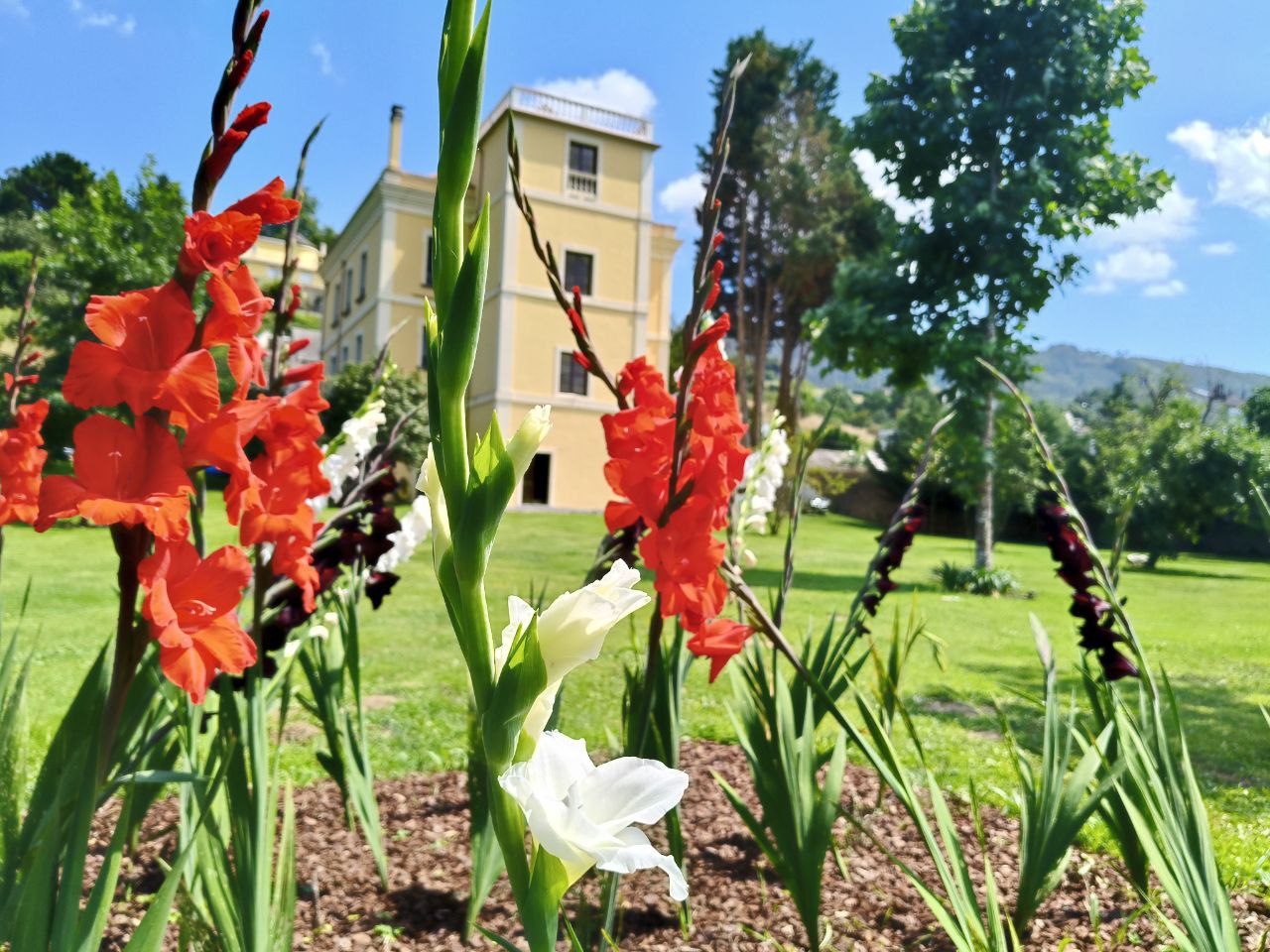
For travellers who value historic character, the boutique accommodation at Santa Emilia offers a Mondoñedo base for exploring the surrounding region. Ask directly about availability and the practical details for your dates; the itinerary should fit the stay, not presume what has not been confirmed.
Frequently asked questions
Is three days enough for this part of Galicia?
Three days are enough for a focused introduction if you use one base and protect one main experience per day. They are not enough for all of northern Galicia, so resist adding Santiago, A Coruña or the entire coast to the same plan.
Do I need a car?
A car gives this particular route the most flexibility, especially for adapting the coastal day to tide and weather. Check current public transport options if you prefer not to drive, because frequency and seasonal schedules may change the itinerary substantially.
Which day should I schedule As Catedrais?
Choose after checking the official access rules, low tide and forecast for your dates. Keep Lugo as the easier day to swap if coastal conditions are poor.
Can I visit As Catedrais without going onto the beach?
The official guidance describes upper paths and viewpoints as an alternative. Follow current site information and any instructions or closures in force on the day.
Should I book cathedral and museum visits in advance?
Check each official site for your dates. Seasonal hours and access conditions vary, so confirm rather than relying on a fixed itinerary published months earlier.
What is the best rainy-day adjustment?
Keep Mondoñedo or Lugo as the urban day, select verified interiors, and shorten exposed walks. Do not force the beach portion of As Catedrais when conditions or official guidance advise against it.
Plan your Mondoñedo base
Tell Santa Emilia your travel dates and the kind of stay you are planning. The team can confirm availability and practical details directly.
Sources consulted
- Deputación de Lugo tourism — Mondoñedo, checked 28 November 2026.
- Xunta de Galicia museums — Museo Diocesano y Catedralicio de Mondoñedo, checked 28 November 2026.
- Xunta de Galicia — As Catedrais visitor guidance, checked 28 November 2026.
- UNESCO World Heritage Centre — Roman Walls of Lugo, checked 28 November 2026.
- Santa Emilia — boutique accommodation, checked 28 November 2026.
- Santa Emilia — contact, checked 28 November 2026.