
Mondoñedo · Lugo · Galicia
Award Ceremony Venue: how to plan recognition, stage flow and guest experience in Spain
A good award ceremony venue turns recognition into a clear, gracious sequence. Before comparing rooms, define who is being recognised, who presents each award, how recipients reach and leave the stage, what guests need to see and hear, and what should happen immediately after the final presentation.
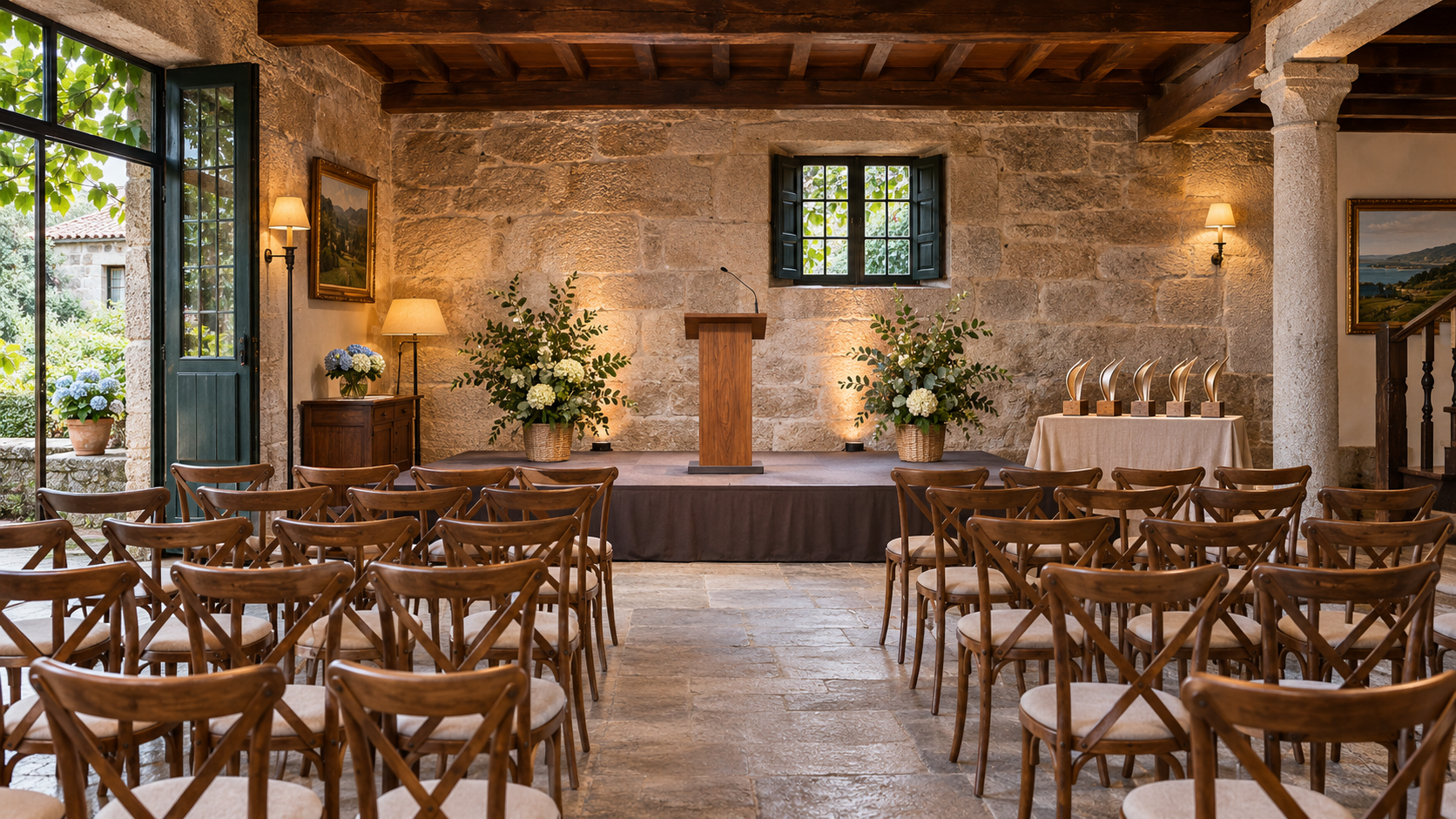
Santa Emilia is a historic house in Mondoñedo, in the province of Lugo, Galicia. Its Salón de los Pilares, linked interior spaces and garden can be discussed as settings for an intimate ceremony and hospitality around it. Capacity, access, equipment, weather alternatives and supplier arrangements must always be confirmed for the specific event.
Plan the recognition before the décor
The emotional centre of the evening is not the trophy table. It is the moment in which a person, team or community hears why their work matters. A concise recognition plan gives the venue, presenter and production team the same definition of success.
Meaning
Write a short, specific reason for every category. Guests should understand what is being celebrated without decoding internal language.
Recipients
Confirm names, preferred pronunciation, attendance, mobility requirements and whether more than one person comes forward.
Presenters
Give each presenter the same concise brief: cue, introduction, handoff position, photograph and exit direction.
Guests
Protect sightlines, audibility and comfortable pauses. The audience should never have to guess where to look or when to move.
Build one repeatable stage sequence
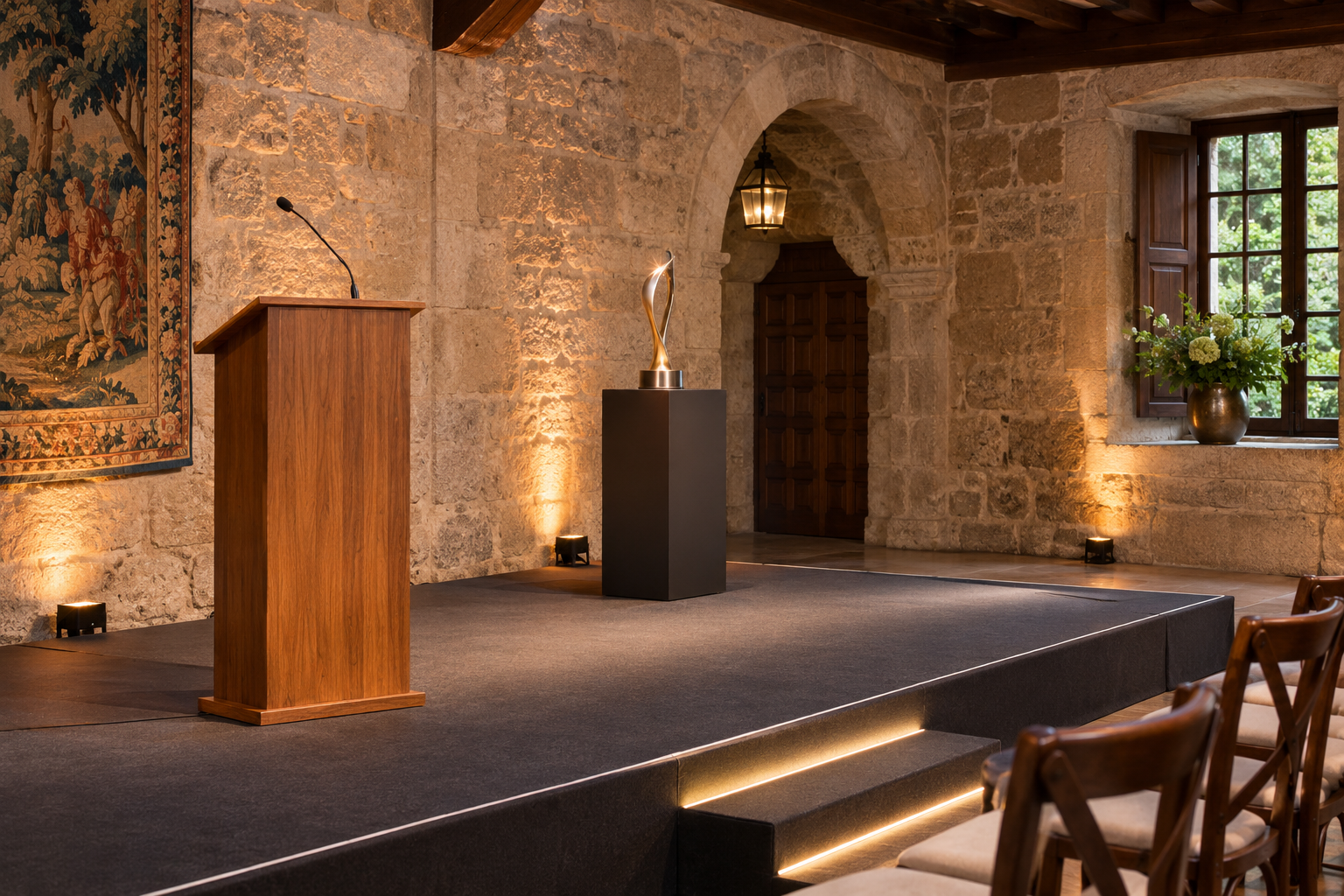
Repetition gives a ceremony rhythm. It also reduces uncertainty for recipients who may already feel nervous. Mark the route on the floor during rehearsal and test it from the perspective of someone who has not seen the plan.
Cue
The stage manager confirms the next presenter, recipient and award before the introduction begins.
Introduce
The host states the category and recognition clearly, with the recipient’s name checked in advance.
Move
The recipient follows one unobstructed route, with enough time and light to approach safely.
Present
The presenter hands over the award in a fixed position that works for the audience and photographer.
Exit
The recipient leaves by the agreed route while the next award is quietly placed and checked.
Every recipient deserves an unhurried moment, even when the programme is tightly timed.
Decisions to settle with the venue
| Decision | What to inspect | What to record |
|---|---|---|
| Stage and route | Step-free options, edge visibility, surface stability, lectern position, handoff point and return path. | A scaled layout and one agreed movement sequence. |
| Sound and lighting | Host and speech microphones, name pronunciation, music cues, face lighting and an offline playback fallback. | Named equipment, operator, cue list and test time. |
| Seating and access | Sightlines, aisle width, seating choices, entrances, toilets, quiet space and individual assistance arrangements. | Confirmed provisions and a private route for collecting requirements. |
| Awards and photography | Secure holding area, order of presentation, handling, background, flash restrictions and image consent. | A numbered award list and photography brief. |
| Hospitality | Arrival welcome, coat storage, refreshments, dietary information, queues and the transition after the ceremony. | Service times, weather alternative and responsible contacts. |
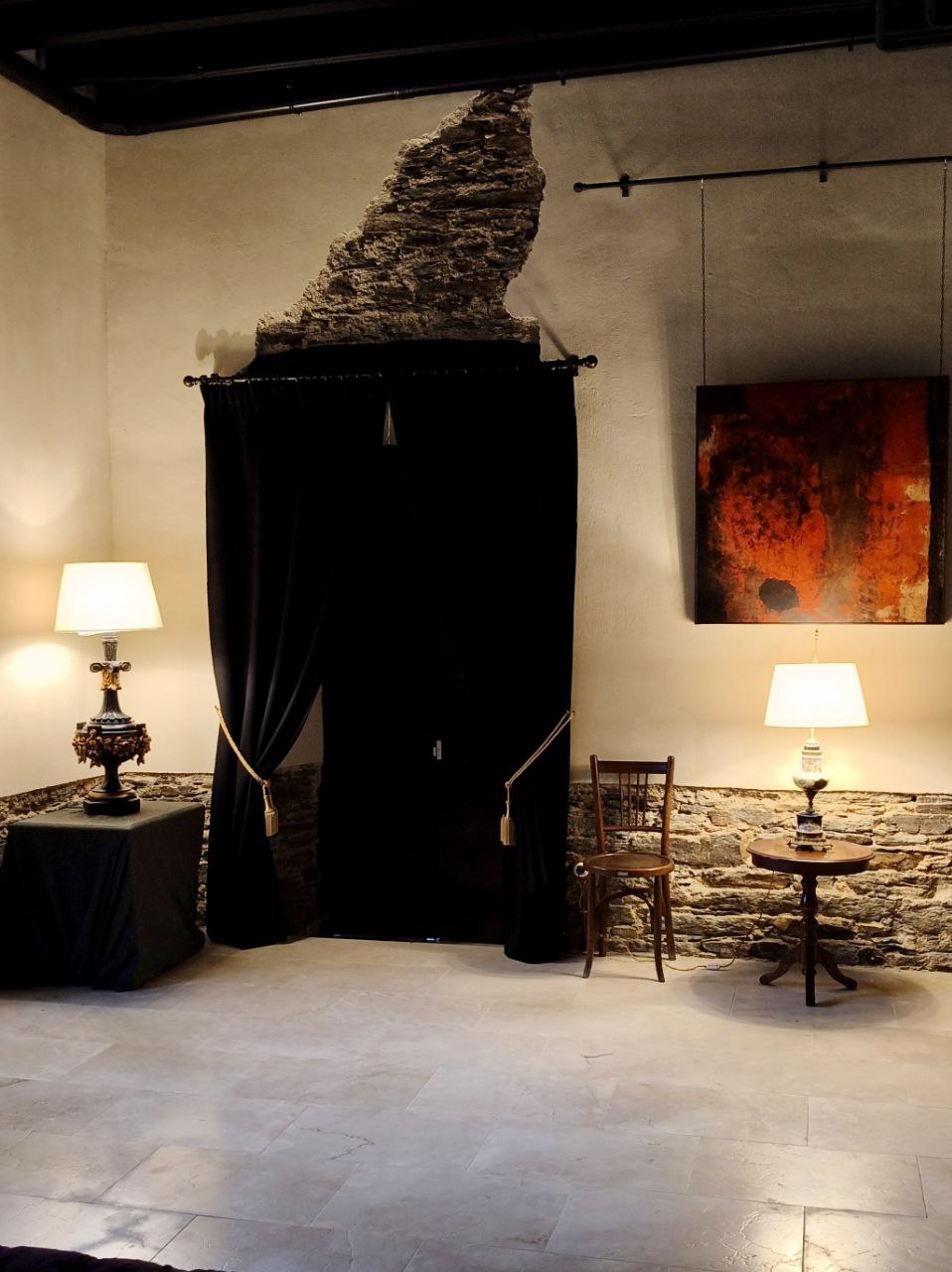
Accessibility belongs in the first venue conversation. Current event guidance from Edinburgh and Newham councils recommends considering access through planning, communication, routes, seating and emergency procedures rather than treating it as a late adjustment. Ask guests privately what they need, describe only confirmed facilities and include those arrangements in the final run sheet.
Write a run sheet people can actually use
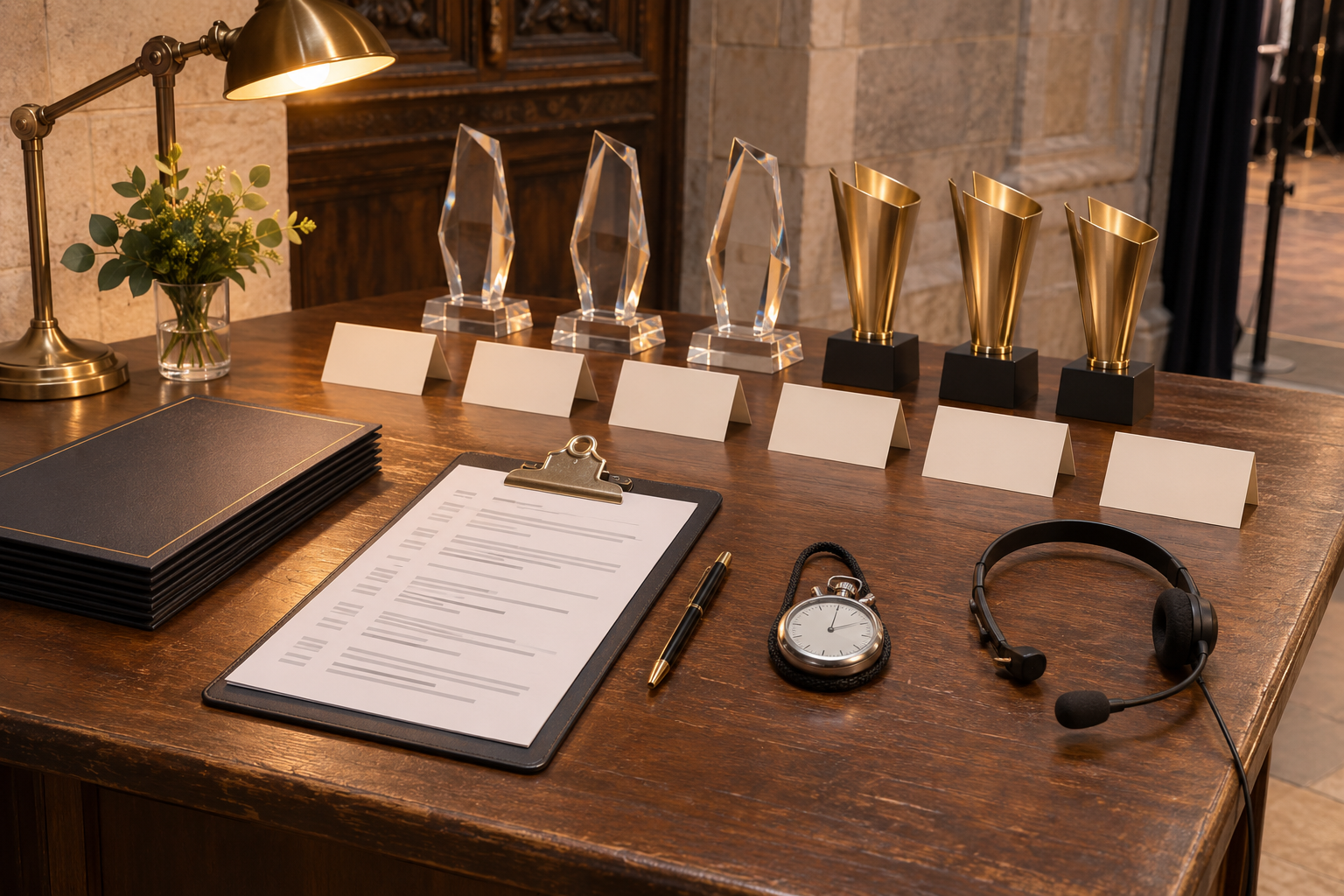
A useful run sheet is short enough to scan under pressure. It separates public timings from operational cues and assigns each decision to one named role. Avoid filling it with speeches or background notes that belong in a separate presenter brief.
- Guest arrival and doors-open time
- Category order and recipient attendance
- Verified names and pronunciation notes
- Presenter, host and stage-manager cues
- Award table order and handoff position
- Music, microphone and lighting cues
- Access arrangements and reserved seating
- Photography position and consent limits
- Pause points if the programme slips
- Final thanks and hospitality transition
Rehearse the joins, not only the speeches. The highest-risk moments are often the small transitions: a presenter approaching from the wrong side, an award placed out of order, a name read before the recipient is ready or the audience moving while a route is still occupied.
Let hospitality extend the recognition
The final award should not feel like an abrupt ending. A short reception gives recipients time to speak with colleagues, allows photographs without holding up the programme and turns formal recognition into a shared memory.
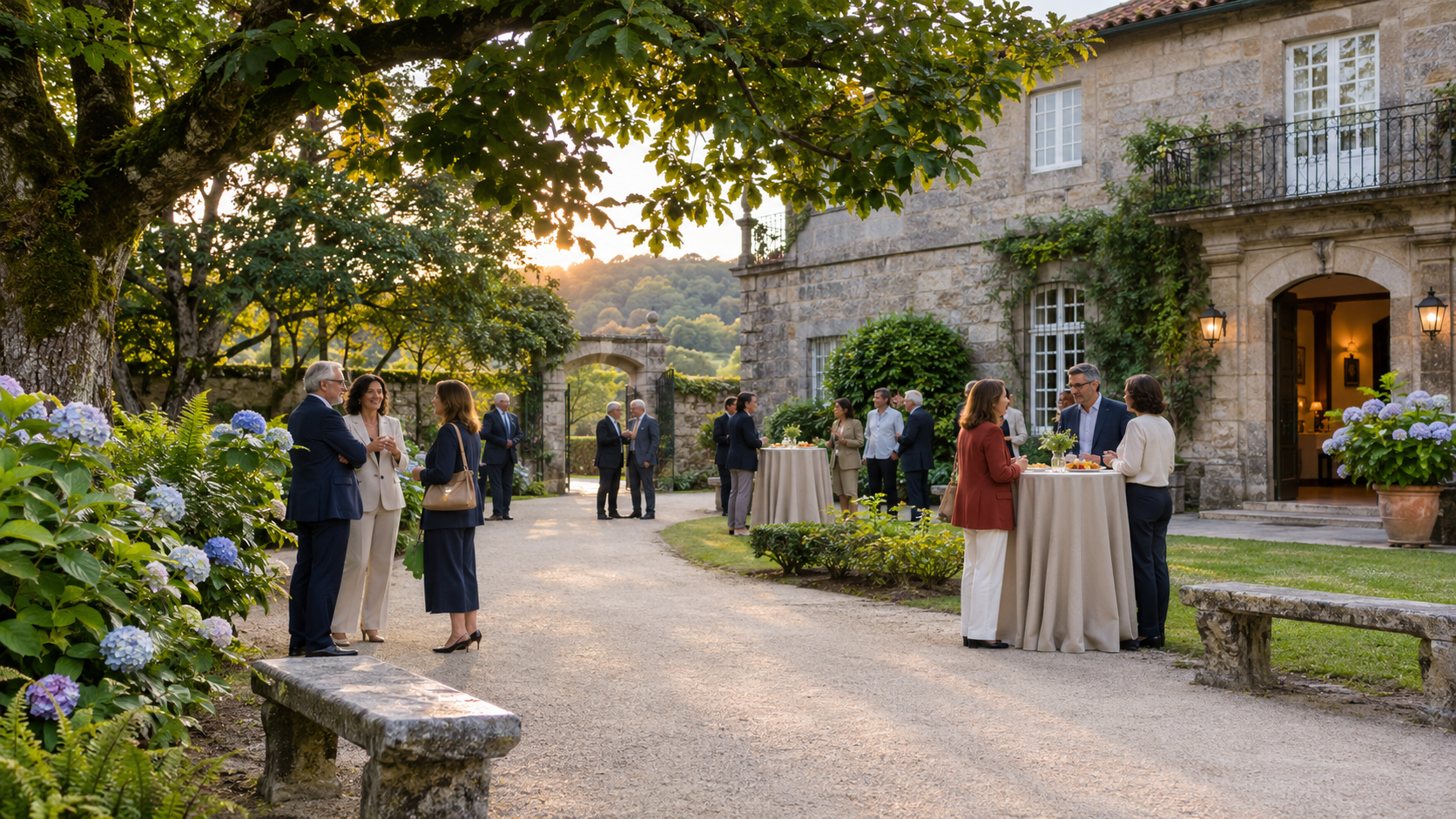
Keep the transition simple: announce where guests should go, make the route visible, allow recipients to leave the stage without crossing incoming staff and place refreshments where queues will not block circulation. If outdoor hospitality is proposed, agree the indoor alternative and the decision time for changing plans.
For the venue conversation, explore Santa Emilia as a historic event venue in Lugo province. Santa Emilia is in Mondoñedo, not Lugo city, and that distinction should remain clear in every invitation and travel note.
Questions organisers often ask
How long should an award ceremony last?
There is no universal length. Time each category from introduction to exit, add realistic applause and movement, then include planned pauses. If the total becomes tiring, reduce spoken material before reducing the recipients’ moment.
What information should be sent to recipients?
Send arrival time, dress guidance if relevant, the approximate programme, the stage route, photography arrangements, an access contact and whether they may bring a guest. Do not reveal confidential results unless that is part of the agreed format.
Is a historic house suitable for an award ceremony?
It can be when the scale and sequence fit the building. Historic character does not replace checks on access, capacity, lighting, sound, power, supplier routes and emergency procedures.
How should sponsors be included?
Agree factual acknowledgements, placement and photography in advance. Sponsor visibility should support the ceremony without interrupting the recipient’s recognition or adding unplanned claims to the host script.
Discuss your award ceremony with Santa Emilia
Share the preferred date, guest range, ceremony sequence, access needs and hospitality plan. Santa Emilia can then confirm whether the house is a suitable fit and identify the next practical questions.
Sources consulted
- Santa Emilia — Events, checked 26 November 2026.
- Santa Emilia — Salón de Eventos en Lugo, checked 26 November 2026.
- City of Edinburgh Council — Guidance for Event Organisers, checked 26 November 2026.
- Newham Council — Accessible Events Checklist, checked 26 November 2026.