
Our History
colonial: Galician Art and Heritage Report
The Chalet do Granadeiro
The Fortune of the Americas Brings a Dream to Life colonial in Galicia
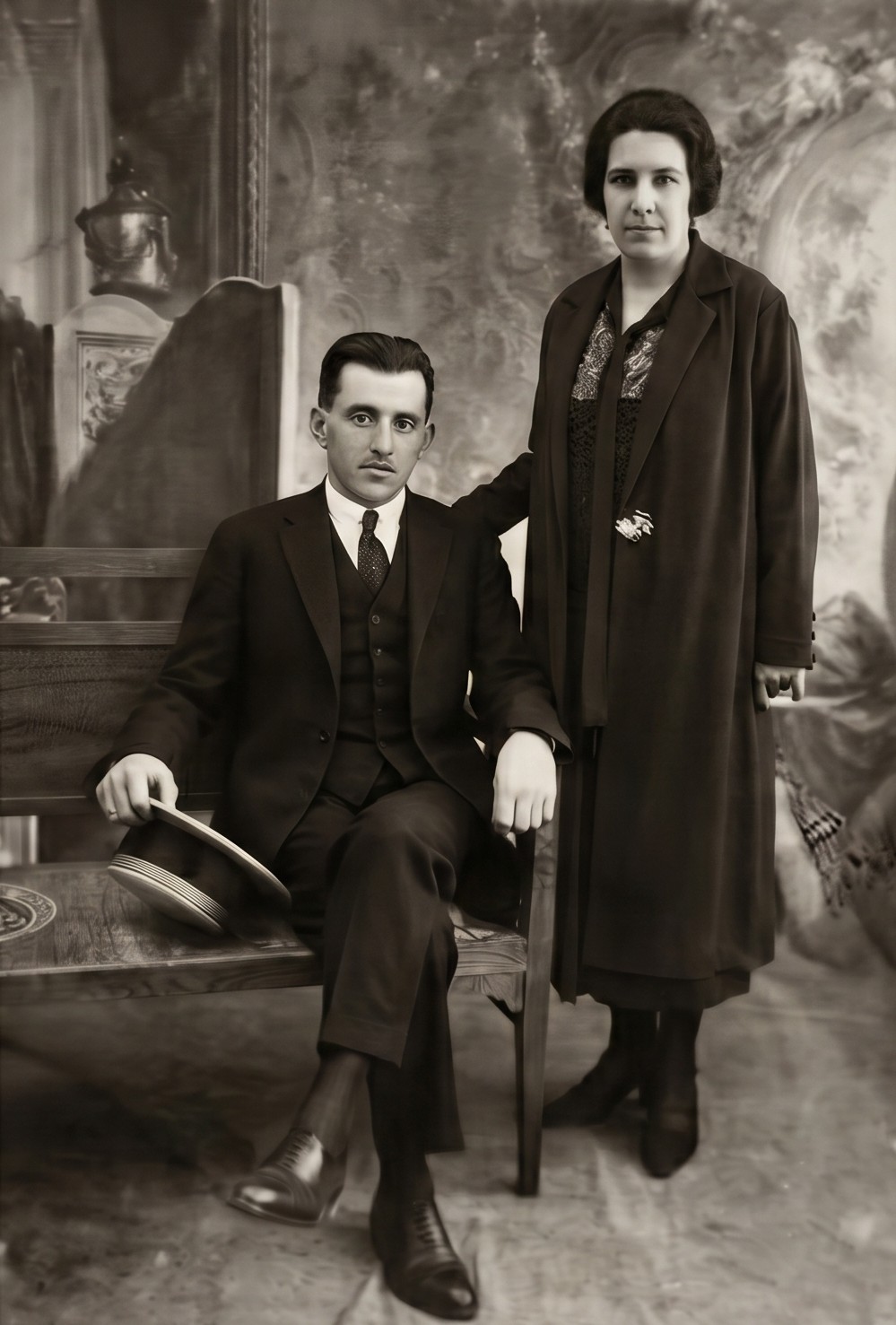
The Santa Emilia Mansion began as the Chalet do Granadeiro, born from the dream of Manuel López Rivas, a native of Mondoñedo. An entrepreneur at heart, he crossed the Atlantic to Buenos Aires, where he founded a thriving shirt-making business on the bustling Florida Street, competing with none other than the only branch outside London of the Harrods department store. Together with his wife, Miss Mancebo, both families shared a deep connection to the world of literature, printing, and the cultural life of their time.
It was thanks to his success in the Río de la Plata that Manuel was able to finance the construction of the mansion “ colonial ,” which we know today as Santa Emilia. Construction began in 1924, imbued with the spirit of the Galician “Indianos” who were returning with the world in their eyes and a firm determination to put down roots. The building, clearly influenced by Central European architecture, stood as a symbol of homecoming, family memory, and Atlantic prosperity.
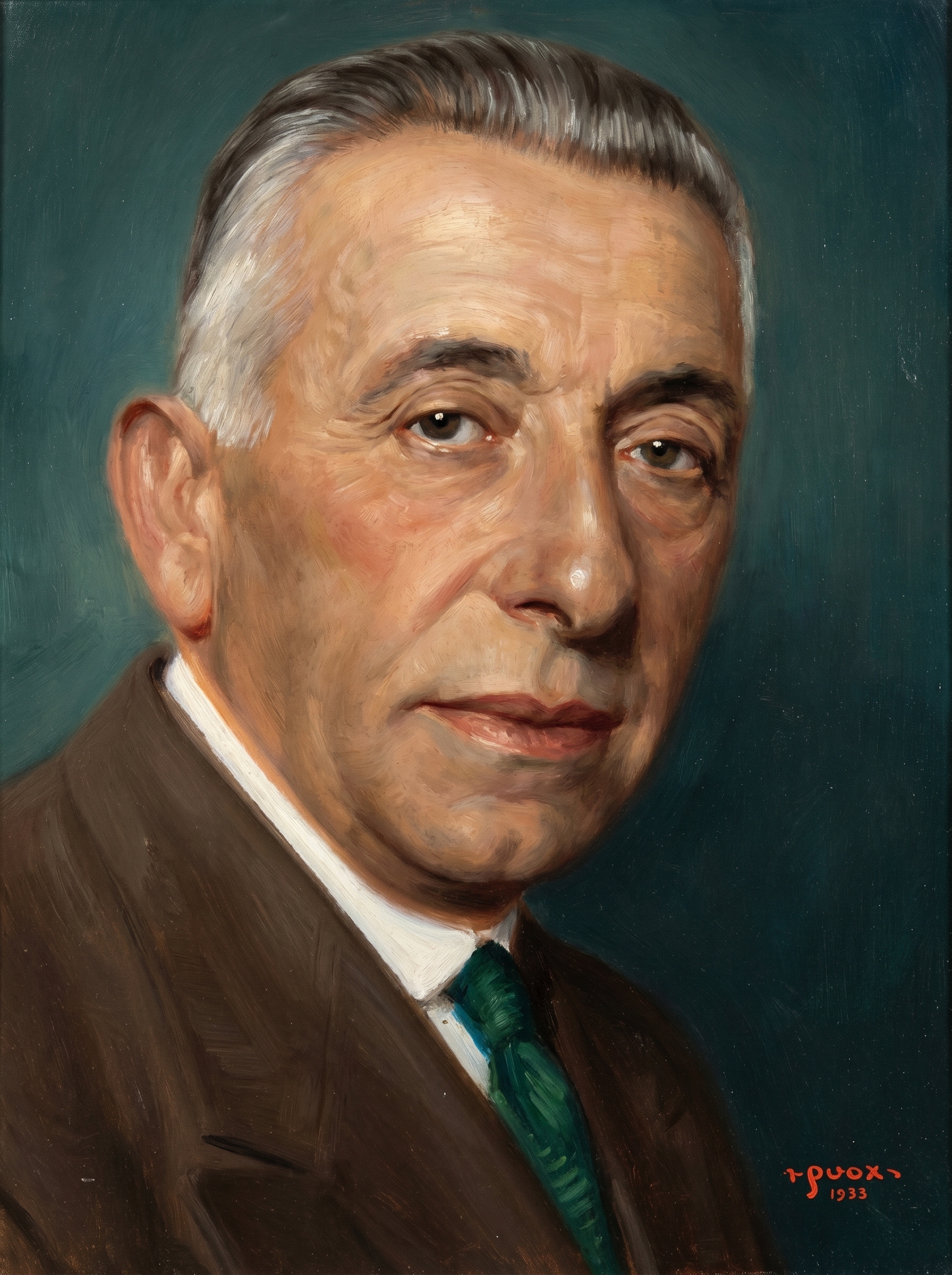
Manuel López Rivas · El Granadeiro
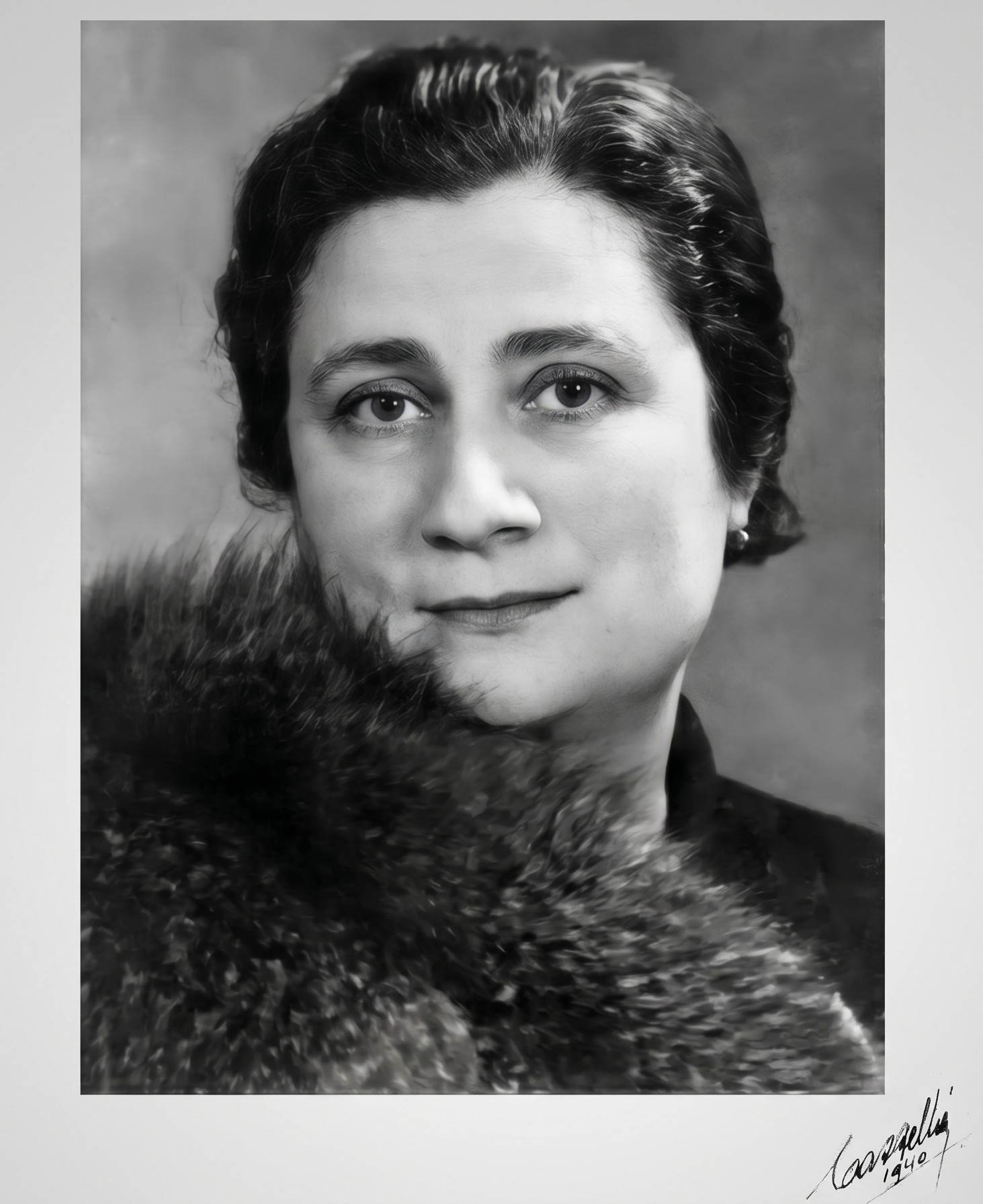
Mrs. Mancebo de López Rivas
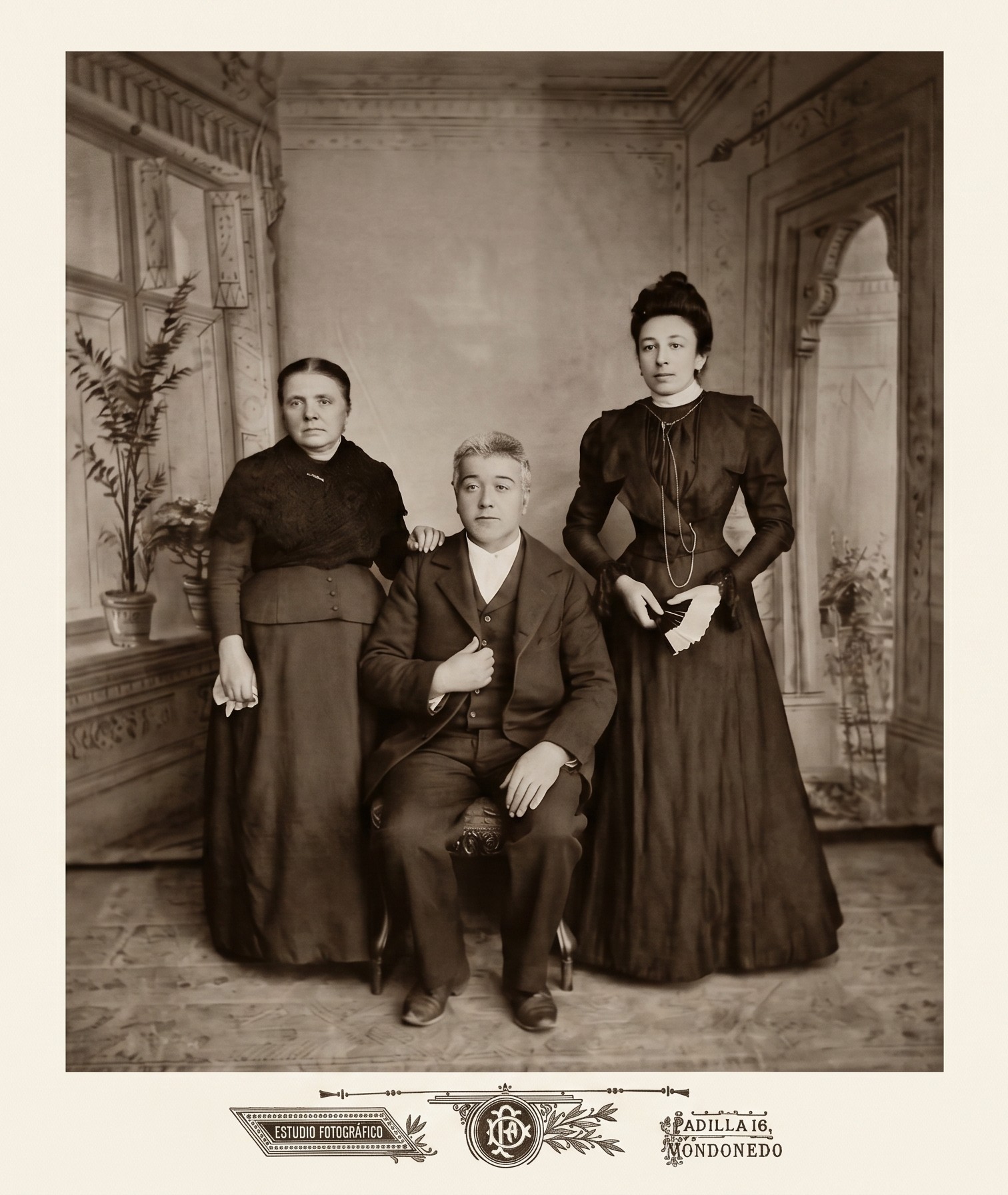
The grandparents of the mansion
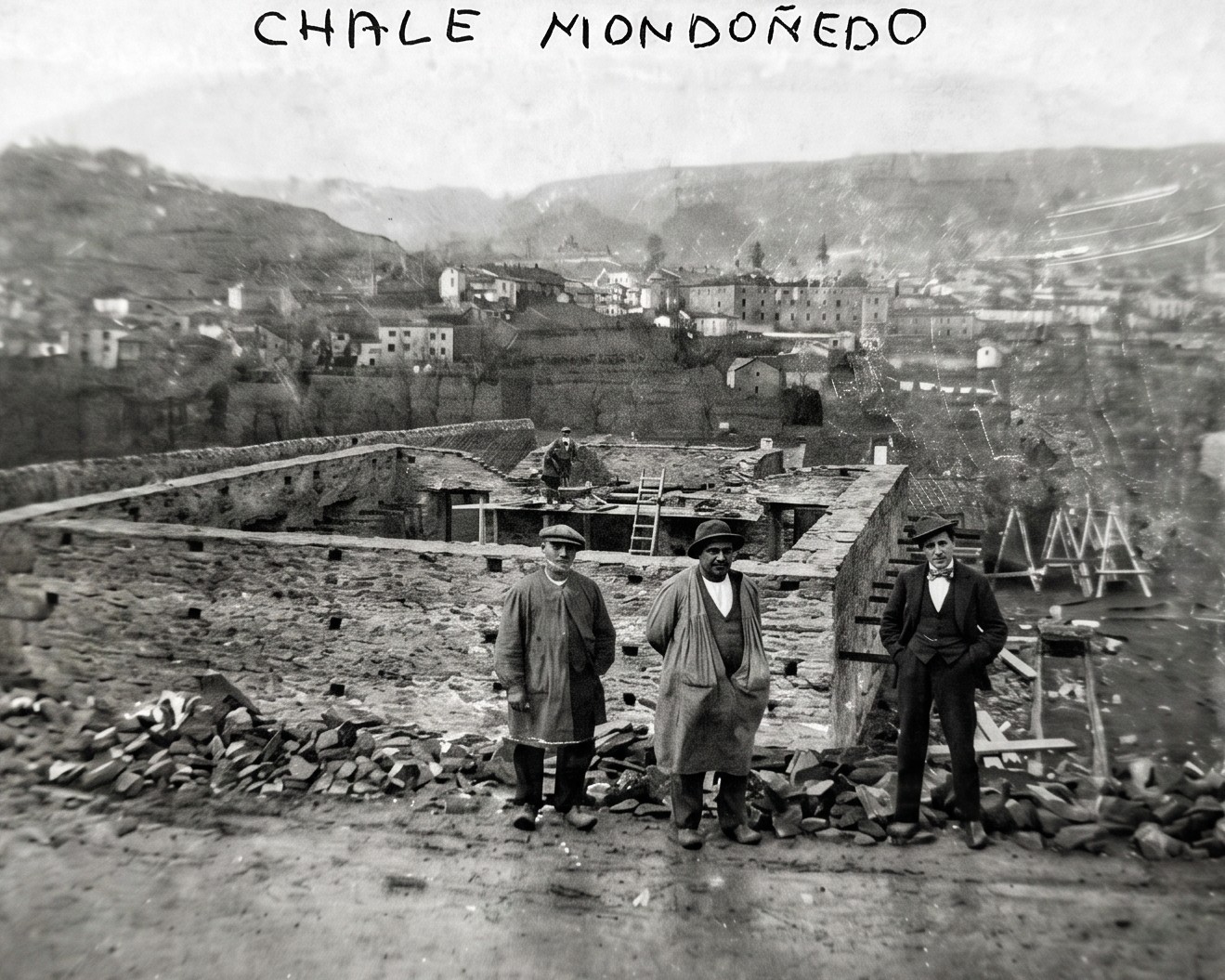
The mansion in the press of the time
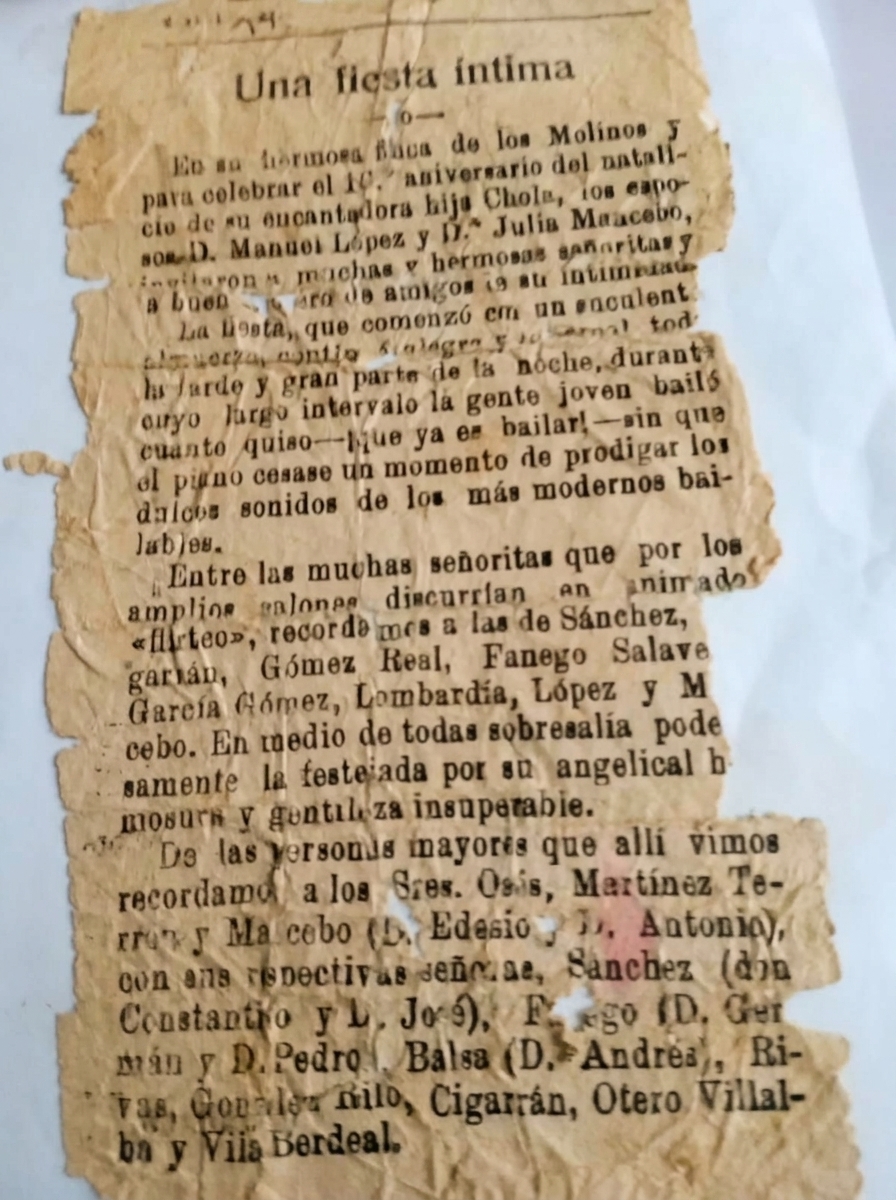
Local Press · ca. 1924–1930
“…Mr. López Rivas, known as ‘El Granadeiro,’ has decided to build a residence of remarkable grandeur in our city, whose façade promises to be the most distinguished among the homes of returnees from abroad in the region…”
The construction of the Chalet do Granadeiro did not go unnoticed by the people of Mondoñedo. The local press reported with admiration on the project by Manuel López Rivas, who was bringing back to his homeland the prosperity he had built in Buenos Aires. This newspaper article is one of the oldest documented accounts of the origins of what we now call the Palacete Santa Emilia, and it attests to the public significance the project held from the very beginning.
The Mansion's Early Years
Between the road to Mondoñedo, the first gardens, and the echo of Buenos Aires
Photographs from those early years show a building already brimming with character: the silhouette of the facade stood out against the Mindonian sky with the same elegance it retains today. A boy—an eternal witness to the passage of time—appears in the image in front of the newly completed mansion, with the empty road ahead and the Galician mountains in the background. It was a house that lived and breathed the cosmopolitan atmosphere of the returning “Indianos,” with their Atlantic customs and their eagerness to bring modernity to Galicia.
The history of Buenos Aires is inextricably linked to the origins of Santa Emilia. Its avenues, squares, and buildings from the 1920s—including Plaza Libertad, a setting that most likely inspired El Granadeiro—help us understand the architectural and cultural language that Manuel López Rivas brought to Mondoñedo. The current owners, international enthusiasts of historical heritage, have sought to preserve this transatlantic connection as an essential part of the mansion’s identity.
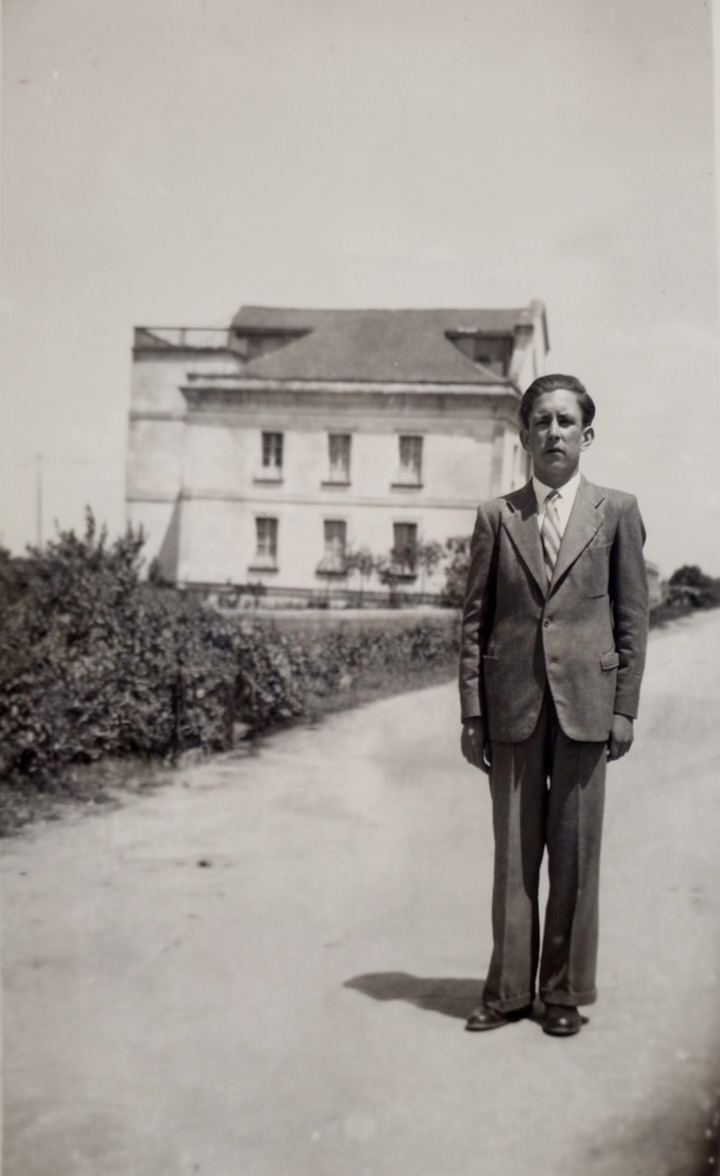
In front of the mansion · c. 1925
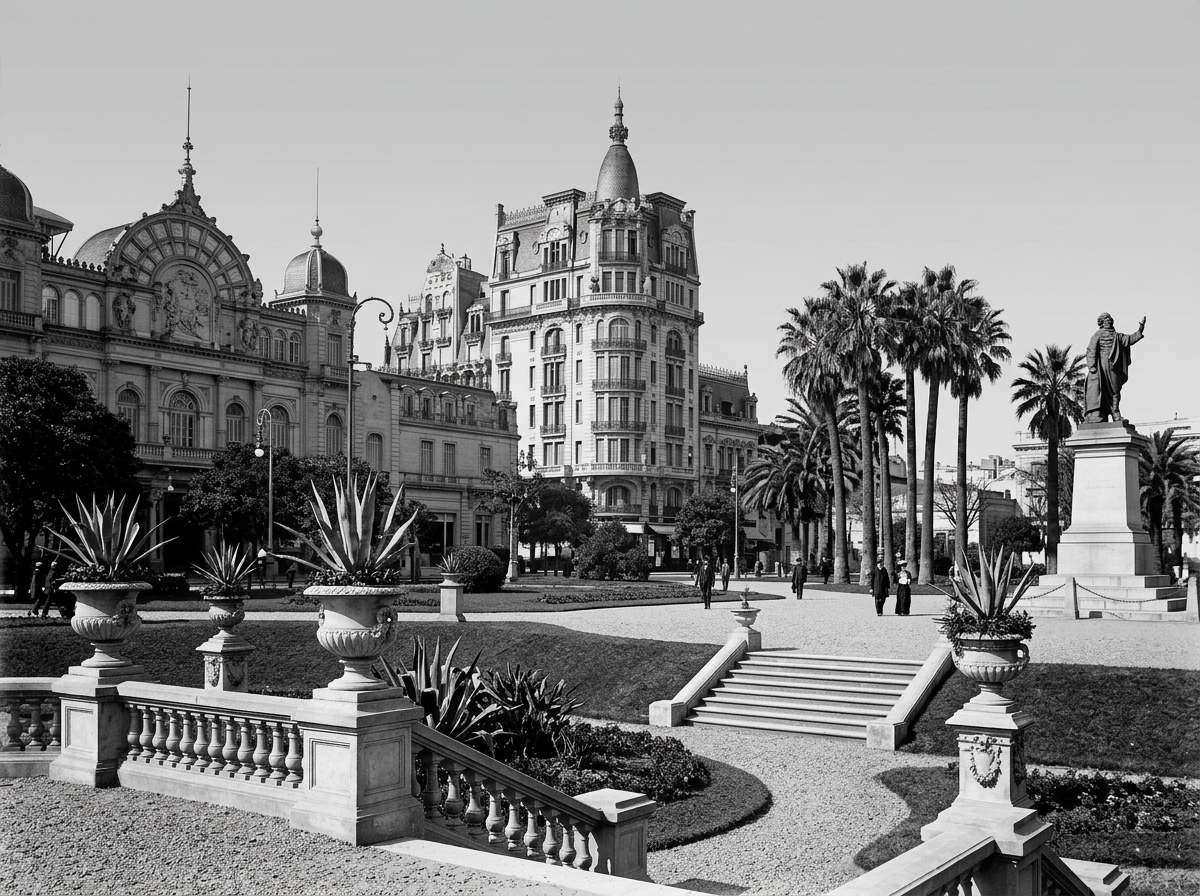
Plaza Libertad, Buenos Aires · 1920s
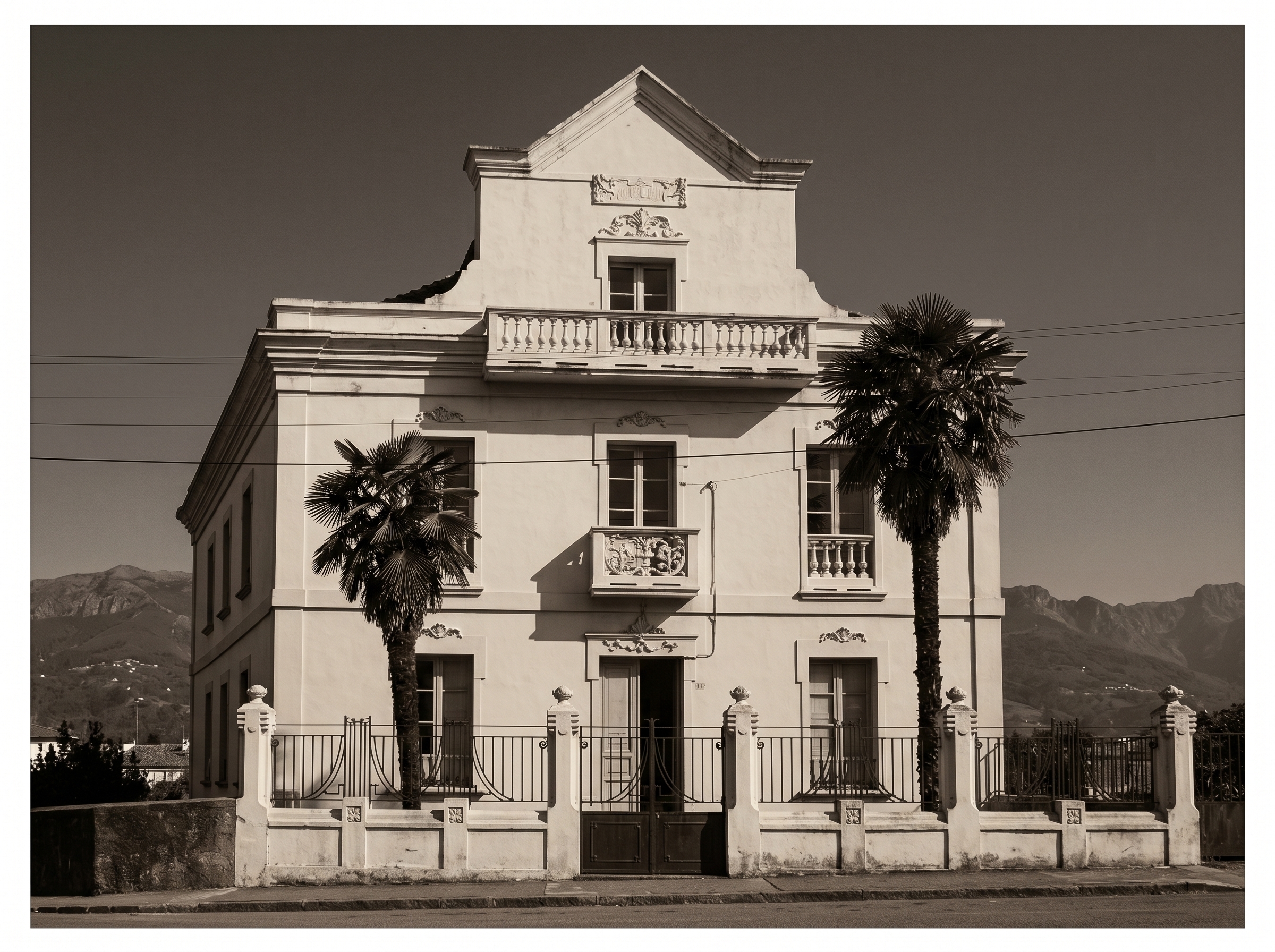
Santa Emilia · c. 1950
“In every corner of Santa Emilia, the past whispers and art breathes.
A small palace where the history of Galicia and the Atlantic world intertwine in silence.”
The Era of "
" Painting and Literary Gatherings
When the mansion became a hub for Galician literature
In 1933, the house changed hands and became the property of Doña Auxiliadora, Méndez’s wife. It was then that the mansion was definitively transformed into a space for art and intellectual life. Her son José Armando—known as “Pepín” to his close friends—a charismatic man with a background in law, found his true calling in painting, leaving his mark on more than forty paintings that today adorn the walls of Santa Emilia.
Pepín turned the mansion into a gathering place where illustrious figures such as Álvaro Cunqueiro—the great storyteller of Galician literature—would lose themselves in passionate conversations about art, literature, and the identity of Galicia. Those gatherings left a spiritual imprint that still permeates the house’s rooms, whose atmosphere inevitably evokes those nights of wine, poetry, and debate beneath the ceilings of the Chalet do Granadeiro.
Family at the mansion · mid-20th century
The Musical Revival "
" by Santa Emilia
From a " colonial " mansion to a vibrant cultural center
In 2023, the Palacete Santa Emilia embarked on a new chapter as a vibrant cultural center, reclaiming its role as a space open to art, conversation, and music. The restoration of its spaces and its concert series have restored the building to a purpose consistent with its own history: bringing the community together around beauty, music, and cultural heritage.
Santa Emilia adopted its current name as a personal tribute to a family memory linked to a love of music. Through the efforts of the Interartes cultural association, the mansion launched a series of concerts that have brought internationally renowned performers to Mondoñedo, reviving the great tradition of cultural gatherings through the universal language of classical music.
The vast European repertoire, high-level piano instruction, and refined cultural experience found a Galician home in Santa Emilia: a place where time stands still and music speaks where words fail.
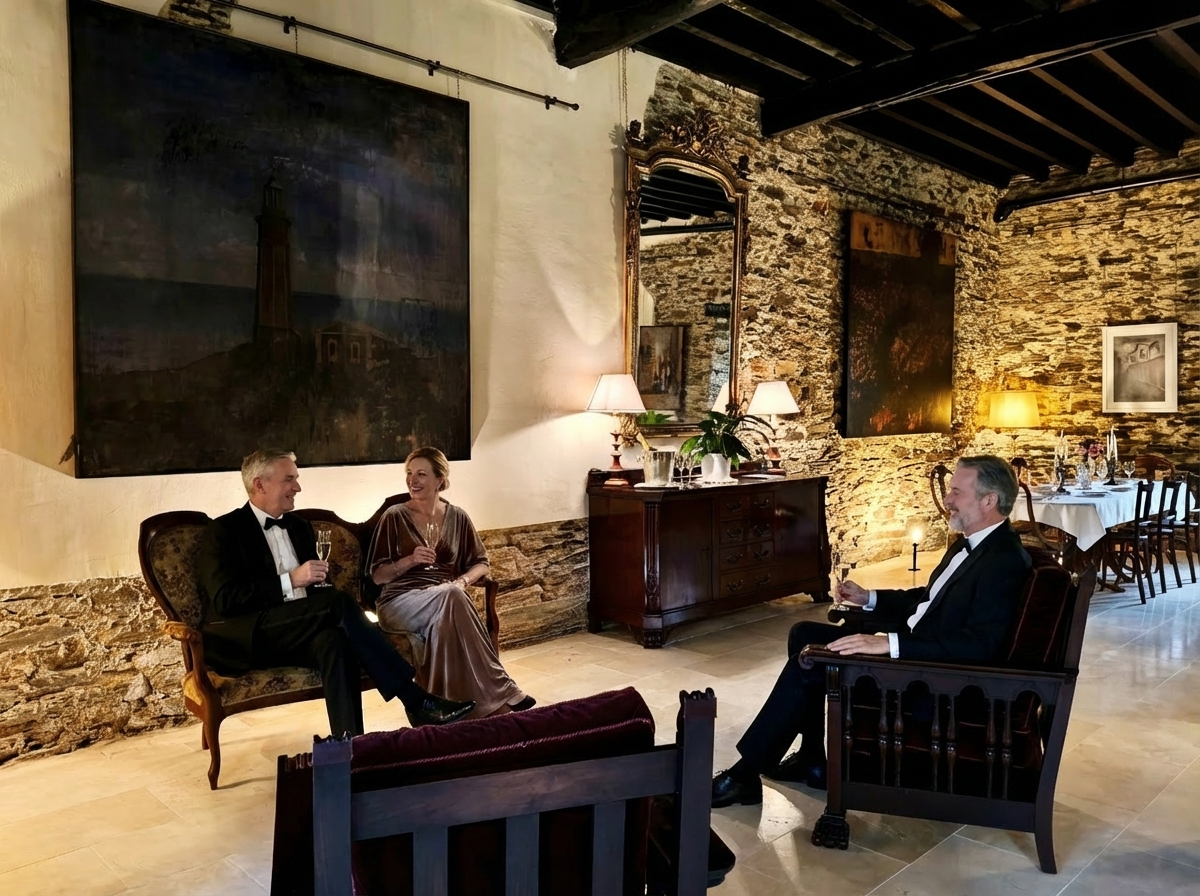
Salón de los Pilares · cocktail party
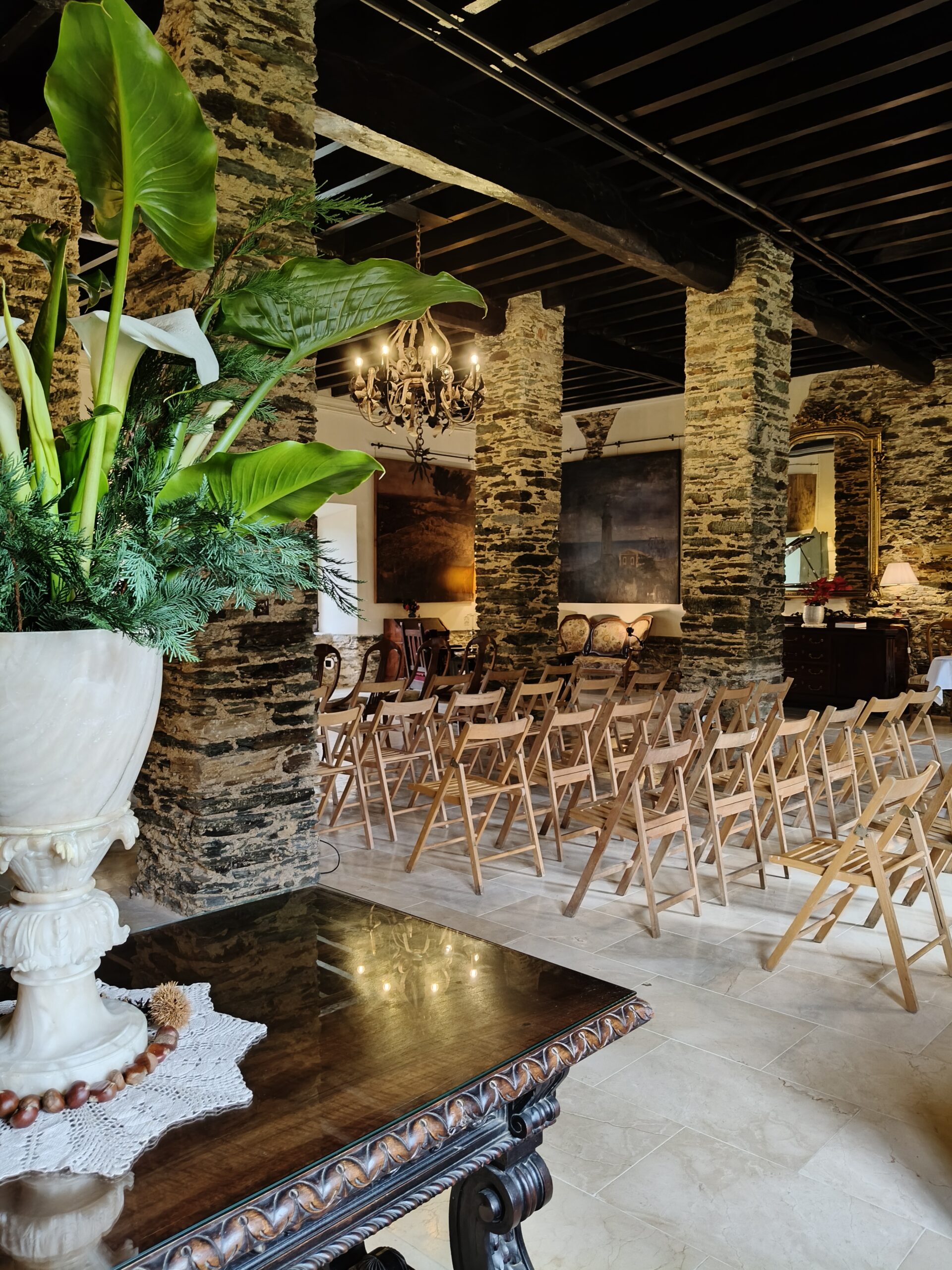
Salón de los Pilares · Today
's ever-expanding artistic legacy
Today, the Palacete Santa Emilia stands as a unique space where history, art, and music intertwine seamlessly. Its halls host historical events, cultural gatherings, piano masterclasses, recording residencies, and boutique accommodations in an evocative and one-of-a-kind setting. Its mission is to preserve the Galician, “ colonial ,” and Atlantic spirit of this century-old venue, passing it on to future generations.
From its origins as Chalet do Granadeiro to its current role as a cultural center, Santa Emilia has remained true to a single vision: to preserve the memory of the place and share it with the community through art.
Manuel López Rivas, known as “El Granadeiro,” began construction on the Chalet do Granadeiro with funds brought from Buenos Aires.
Doña Auxiliadora purchases the mansion. Her son Pepín turns it into a venue for literary gatherings frequented by Álvaro Cunqueiro.
The mansion was at the height of its social and artistic activity, hosting intellectuals and artists connected to Galicia's cultural life.
The mansion is embarking on a new chapter as the Santa Emilia Cultural Center, reclaiming its artistic purpose through concerts, gatherings, and heritage activities.
Santa Emilia is solidifying its position as a cultural hub in the northwestern part of the Iberian Peninsula, with a regular program of music, heritage, and artistic experiences.
Discover the magic of Saint Emilia
We invite you to let yourself be captivated by their stories and immerse yourself in their unique experiences. A place where time stands still and the beauty of life is revealed in every corner.
Contact Us View calendar